
07-08-2026
PropTech Saudi Arabia 2026 — Complete Property Technology Ecosystem: Customer Journeys, Software Stack, and Compliance Map for Saudi Real Estate

Saudi Arabia's real estate market generates over SAR 750 billion in annual activity and runs on a fully digitised regulatory stack — REGA, AQAR, Wafi, Ejar, SADAD, NAFATH, ZATCA, the Smart Rental Index, and Najiz. Each platform governs a specific stage of the property lifecycle. No single software handles all of them. Understanding Saudi PropTech means understanding which software activates at which moment in the customer's journey — and what breaks when that software is absent.
This guide maps four distinct customer journeys through the Saudi PropTech stack: the buyer and renter, the broker and brokerage, the property developer, and the property management company. Each journey shows the exact moment each software layer becomes active, the compliance obligation it satisfies, and the operational cost of missing it.
The Saudi PropTech Stack — Master Overview
| Stage | Persona | Software | Saudi platform |
|---|---|---|---|
| Property discovery | Buyer / Renter | Property listing website | AQAR, REGA FAL |
| Lead capture and pipeline | Buyer + Broker | Real estate CRM | AQAR sync, WhatsApp |
| Off-plan reservation | Buyer + Developer | Developer sales portal | Wafi, Mada, NAFATH |
| Tenancy registration | Tenant + PMC | Property management software | Ejar |
| Rent collection | Tenant + PMC | Property management software | SADAD |
| Maintenance management | Tenant + PMC + Contractor | Property management software | GOSI, Iqama |
| Lease renewal | Tenant + PMC + Landlord | Property management software | Smart Rental Index |
| Invoice compliance | All parties | ZATCA module | Fatoorah |
| Enforcement | PMC + Landlord | Property management software | Najiz |
| Commercial leasing | Tenant + Developer + PMC | Commercial real estate software | ZATCA 15% VAT |
| Construction | Developer | Construction ERP | REGA, Mudad, Wafi |
| Staff management | PMC + Developer + Brokerage | HR and payroll software | GOSI, Mudad, Qiwa |
Journey 1: The Buyer and Renter
Who: A Saudi national searching for a villa in Hittin, an expat looking for a furnished apartment in Al Olaya, or an international investor researching properties in a 2026 non-Saudi ownership zone.
Trigger: A life change — relocation, marriage, investment decision, or lease expiry at a current property.
Step 1 — Search The buyer searches Google ("شقق للإيجار الرياض"), AQAR, or Bayut.sa. They land on a property listing portal. The quality of that portal determines whether they stay and enquire or bounce. A properly built Saudi listing portal shows Arabic-first search with district-level filters, property registry numbers on every listing, and FAL-verified agent badges. Without a custom Saudi portal, brokerages depend entirely on Bayut — paying SAR 4,000–10,000 per month for visibility on someone else's platform.
→ Software: Property Listing Website | Platform: AQAR, REGA FAL
Step 2 — Filter and Shortlist The buyer filters by district (not just city — Al Nakheel, Al Malaz, Hittin), property type, furnished or unfurnished, off-plan or ready, and for international buyers, non-Saudi ownership zone eligibility. A listing portal without Saudi district-level polygon search forces buyers to scroll past irrelevant results. A portal without the 2026 zone eligibility overlay fails international investors entirely — they can't determine whether the property is legally available to them before contacting anyone.
Step 3 — Enquire via WhatsApp The buyer taps the WhatsApp button on the listing. The platform sends a pre-filled message to the agent containing the property reference, address, and listing URL — the buyer doesn't type a word. Simultaneously, the platform logs a lead event: listing ID, agent, timestamp, source channel. Without this infrastructure, WhatsApp clicks are invisible — no attribution, no pipeline entry, no follow-up accountability.
→ Software: Property Listing Website + Real Estate CRM
Step 4 — Agent Follow-Up and Viewing The lead lands in the brokerage CRM. The assigned agent follows up via WhatsApp, schedules a viewing, and logs the interaction. The CRM tracks response time, viewing outcome, and deal stage. For a brokerage managing 20 agents and 200 active leads, CRM pipeline visibility is the difference between a managed sales operation and a chaotic WhatsApp inbox.
→ Software: Real Estate CRM with AQAR Integration
Step 5A — Off-Plan Purchase (Developer Project) If the buyer chooses an off-plan unit, the transaction enters Wafi. The developer's sales portal shows live Wafi registration status, unit availability at floor plan level, and the payment plan (typically 10% on booking, 40% during construction, 50% on handover). The buyer reserves the unit online — NAFATH identity verification confirms their identity before the booking deposit is processed. Mada processes the deposit. A ZATCA B2C simplified invoice is generated immediately. The unit is marked reserved in the developer CRM and the buyer receives WhatsApp confirmation. Without Wafi integration, the developer cannot legally market off-plan properties. Without the online reservation flow, every booking requires a physical visit and manual documentation.
→ Software: Developer Sales Portal + Wafi API Integration | Platform: Wafi, NAFATH, Mada, ZATCA
Step 5B — Ready Property Purchase For a ready unit, the transaction flows through REGA title deed transfer. The seller and buyer complete the transfer through the REGA property registry. The brokerage issues a ZATCA B2B commission invoice to the seller or developer. The buyer receives a new title deed and the property registry is updated.
Step 6 — Tenancy Registration (For Renters) If the buyer is renting, the signed tenancy agreement must be registered through Ejar before it becomes legally valid. The property management company registers the contract on Ejar, captures the official Ejar reference number, and stores it against the tenant record. For expatriate tenants, Ejar registration links to Iqama records — without it, the tenant cannot update their official address. Without automated Ejar registration in a PMS, a PMC managing 500 units spends 15–20 minutes per contract across hundreds of registrations per month.
→ Software: Property Management Software | Platform: Ejar
Step 7 — Rent Payment The tenant receives a SADAD bill linked to the Ejar contract. They pay through their banking app using SADAD biller code 153. The PMS receives a payment webhook, updates the rent ledger instantly, stops reminder notifications, and sends a receipt. No manual reconciliation. Without SADAD integration, a finance team reconciles rent manually from bank statements — 15–20 hours per week for a 500-unit portfolio.
→ Software: Property Management Software | Platform: SADAD
Step 8 — Maintenance The tenant submits a maintenance request through the Arabic-first tenant app — photo, issue category, priority, preferred visit time. The request appears in the property manager's dashboard and routes to an approved contractor. The work order progresses through defined stages: assigned, accepted, in progress, completed, tenant confirmed, invoice validated, payment approved. Without a structured maintenance module, requests arrive across multiple WhatsApp numbers and get lost.
Step 9 — Lease Renewal Ninety days before lease expiry, the PMS alerts the property manager, landlord, and tenant simultaneously. The system queries the Smart Rental Index for the property's permitted rental range. The property manager sees three scenarios — current rent flat, SRI midpoint, SRI maximum — with projected annual income impact for the landlord. A renewal proposal exceeding the SRI maximum triggers a compliance warning before anyone sees the number. Without SRI integration, renewal pricing is guesswork and every above-SRI increase creates REGA dispute exposure.
→ Platform: Smart Rental Index
Step 10 — Default and Enforcement If the tenant does not pay by day 30, the PMS generates the complete Najiz enforcement documentation package: Ejar contract reference, payment history, outstanding balance, reminder log, and supporting communications. A properly documented Ejar contract is an executive bond — the landlord can pursue payment through Najiz in 5 working days and eviction in 30 days without litigation. Without automated documentation, the landlord gathers evidence manually for weeks before enforcement can begin.
→ Platform: Najiz
Journey 2: The Broker and Brokerage
Who: A licensed Saudi real estate brokerage with 10–200 agents managing residential and commercial listings across Riyadh, Jeddah, or Dammam.
Trigger: The brokerage needs to manage listings, capture leads, track pipeline, and invoice commissions at scale — without spending SAR 8,000/month on Bayut.
Step 1 — Compliance Verification Before any listing goes live, the brokerage verifies its REGA licence and every agent's FAL licence. The listing platform queries the REGA FAL registry at onboarding — expired licences block publishing automatically. This runs continuously: when a licence expires, that agent's listings go offline until renewal is confirmed. Without automated FAL verification, the brokerage manually tracks licence expiry dates across all agents — compliance failures go unnoticed until a REGA audit.
→ Software: Property Listing Website | Platform: REGA FAL
Step 2 — Listing Publication The agent creates a listing in the portal. Mandatory fields — property registry number, FAL number, photos (minimum count enforced), accurate GPS coordinates — must pass validation before the listing reaches live status. The portal then synchronises to AQAR automatically (Model A: AQAR-first; or Model B: website-first push to AQAR). One entry, two platforms. Without sync, agents enter every listing twice and update each platform separately when pricing changes.
→ Software: Property Listing Website + REGA AQAR API Integration | Platform: AQAR
Step 3 — Lead Capture and Pipeline WhatsApp clicks become CRM leads. The CRM tracks response time per agent, follow-up history, viewing outcomes, offer stages, and deal close rates. Management sees pipeline health across all agents in real time. Commission milestones for off-plan sales connect to Wafi status updates — a milestone payment confirmed by Wafi triggers a commission payment stage in the CRM. Without CRM, the brokerage manages pipeline in WhatsApp threads and spreadsheets — leads fall through, follow-ups are missed, and management cannot see where deals stall.
→ Software: Real Estate CRM with AQAR Integration
Step 4 — Commission Invoicing At deal close, the brokerage issues a ZATCA B2B standard tax invoice cleared through Fatoorah for the commission amount. For a brokerage closing 30 deals per month, that is 30 ZATCA clearance invoices issued monthly. Without automated ZATCA invoicing, the brokerage creates PDF invoices in Word and emails them — generating compliance exposure on every deal.
→ Platform: ZATCA Fatoorah | Guide: ZATCA Fatoorah API Integration
Journey 3: The Property Developer
Who: A Saudi developer launching an off-plan residential or mixed-use project — from a boutique 50-unit compound in North Riyadh to a large-scale giga-project contributor.
Trigger: Land acquisition and project approval create the need for software across construction, sales, compliance, and handover.
Step 1 — Construction Management Before any property is sold, the project must be built. A construction ERP tracks project cost by package (foundations, structure, MEP, finishes), contractor payment milestones, subcontractor WPS payroll via Mudad, GOSI contributions for Saudi and non-Saudi site workers, Nitaqat Saudisation compliance per site, Baladiati building permits, and progress reporting against the investor-approved schedule. Without construction ERP, cost overruns are invisible until month-end and REGA permit compliance is manual.
→ Software: Construction ERP Saudi Arabia | Platform: Mudad, GOSI, Baladiati
Step 2 — REGA and Wafi Registration Before marketing any off-plan unit, the developer must register the project on Wafi. Wafi issues a registration number, assigns an escrow bank, and verifies REGA approval documentation. The escrow bank holds all buyer payments — the developer cannot touch funds until construction milestone conditions are met. Without Wafi registration, no marketing can legally begin. Any off-plan advertising without a Wafi number violates REGA regulations.
→ Platform: Wafi, REGA | Guide: Wafi API Integration
Step 3 — Sales Portal Launch The developer's sales portal shows project details, unit availability at floor plan level, Wafi badge with escrow bank name, payment plan calculator, and construction progress timeline. Buyers can reserve units online — NAFATH identity verification → Mada deposit → ZATCA B2C invoice → unit reserved in CRM → buyer WhatsApp confirmation. The developer CRM tracks every buyer through reservation, SPA signing, installment payments, and handover. Without a dedicated sales portal, the developer relies entirely on broker networks and marketplace listings — no direct buyer relationship, no online reservation, no data ownership.
→ Software: Developer Sales Portal + Wafi API Integration
Step 4 — Escrow Draw and Revenue As construction milestones are achieved, the developer submits draw requests to the escrow bank through Wafi. Wafi confirms milestone completion and authorises release. Each buyer installment received generates a ZATCA B2C invoice. Broker commissions on sold units generate ZATCA B2B clearance invoices. Without automated ZATCA invoice generation across hundreds of transactions, the finance team is overwhelmed and ZATCA compliance exposure accumulates.
→ Platform: ZATCA Fatoorah
Step 5 — Handover and Post-Sale At project completion, title deeds transfer through REGA. Unsold or investor-retained units move into property management — Ejar registration, SADAD rent collection, and maintenance management via PMS. The developer hands over the asset to a PMC or manages the rental portfolio internally with PMS software.
Journey 4: The Property Management Company (PMC)
Who: A Saudi PMC managing 200–5,000 residential and commercial units on behalf of private landlords, REITs, and institutional investors.
Trigger: A landlord with multiple properties — or a REIT with a diversified portfolio — cannot self-manage compliance, payments, and maintenance at scale.
Step 1 — Landlord Onboarding The PMC onboards the property owner and validates each unit's property registry number against REGA records. Every unit requires a verified registry number before it can be listed or tenanted. Without this validation, properties can be marketed against incomplete ownership documentation, creating REGA advertising violations.
Step 2 — Tenant Acquisition The PMC lists available units on AQAR and the brokerage's listing portal. Leads flow into the CRM. The PMC's leasing team manages enquiries, viewings, and lease negotiations. The winning applicant is verified against their NID or Iqama before the tenancy agreement is prepared.
→ Software: Property Listing Website + Real Estate CRM
Step 3 — Ejar Contract Registration The signed tenancy agreement is submitted to Ejar via API. The PMS captures the Ejar reference number, stores it against the tenant record, and sets automated renewal alerts at 90, 60, and 30 days. For a PMC managing 500 units with a 60% annual turnover, this is 300 new Ejar registrations per year. Manual registration at 15–20 minutes per contract = 75–100 hours of staff time per year on this task alone.
→ Platform: Ejar
Step 4 — SADAD Rent Automation SADAD bills are set up against the Ejar contract. Payment reminders go to the tenant via WhatsApp and SMS at 7 days, 3 days, and 1 day before the due date. Payment confirmation arrives via webhook — the ledger updates, reminders stop, a receipt is sent. Arrears escalate automatically: formal notice at day 7, REGA compliance flag at day 15, Najiz documentation package at day 30.
→ Platform: SADAD
Step 5 — Maintenance Workflow Tenant submits request via Arabic-first mobile app. Request appears on the property manager's dashboard and routes to a vetted contractor. Contractor credentials — trade licence, GOSI, Iqama, insurance — are monitored continuously with expiry alerts. Work order stages are timestamped. Tenant confirms completion. Contractor invoice is validated against the ZATCA compliance check before payment approval.
Step 6 — Management Fee Invoicing The PMC's monthly management fee (typically 5–10% of collected rent) is a taxable service. The PMS calculates the fee automatically from the collected rent record, generates a ZATCA B2B standard tax invoice, submits it to Fatoorah for clearance, and delivers the cleared invoice to the landlord. Residential rent itself is VAT-exempt — the management fee is not. PMCs issuing management fee invoices as PDF documents without ZATCA clearance are non-compliant on every invoice.
→ Platform: ZATCA Fatoorah | Guide: ZATCA Fatoorah API Integration
Step 7 — SRI Renewal and Ejar Re-Registration At 90 days before lease expiry, the PMS queries the Smart Rental Index, models renewal scenarios for the landlord, and generates a compliant renewal proposal within the SRI range. The agreed renewal creates a new Ejar contract registration. The cycle continues.
Step 8 — Staff Compliance The PMC's property managers, leasing agents, maintenance coordinators, and finance staff require GOSI contributions, Mudad WPS payroll, Qiwa contract authentication (mandatory for Nitaqat counting since April 2026), Muqeem Iqama monitoring for non-Saudi staff, and Article 84 EOSB calculation when staff depart. Without integrated HRMS, the PMC's HR team manually manages compliance across five separate government platforms.
→ Software: Saudi HR and Payroll Software | Platform: GOSI, Mudad, Qiwa, Muqeem
Commercial Real Estate — A Parallel Track
Commercial tenancies — offices, retail centres, warehouses, and industrial facilities — run a different compliance track from residential. Commercial rent is subject to 15% VAT. Every commercial rent payment requires a ZATCA B2B standard tax invoice cleared through Fatoorah. Lease terms are typically 3–10 years. Institutional landlords require yield reporting, WALE (weighted average lease expiry) tracking, and rent per square metre analytics across diversified portfolios.
Commercial real estate software manages enterprise leasing, ZATCA B2B invoicing on every rent payment, tenant classification, service charge allocation, CAM (common area maintenance) recoveries, and institutional portfolio reporting — distinct requirements from the residential PMS stack.
→ Software: Commercial Real Estate Software Saudi Arabia
ZATCA Across Every Journey
ZATCA is not a single stage — it is a horizontal compliance layer that runs across all four journeys.
| Transaction | Type | ZATCA requirement |
|---|---|---|
| Off-plan booking deposit | B2C | Simplified invoice at payment |
| Off-plan installment payments | B2C | Simplified invoice per payment |
| Broker commission (from developer) | B2B | Clearance invoice before payment |
| PMC management fee (to landlord) | B2B | Clearance invoice per billing cycle |
| Commercial rent payment | B2B | Clearance invoice per rent period |
| Maintenance contractor invoice | B2B | Validated before payment approval |
| Listing platform subscription | B2B | Clearance invoice to brokerage |
| Residential rent received | Exempt | No VAT, no invoice required |
The invoice engine sits beneath every stage of the PropTech stack. Missing ZATCA at any of these points creates retroactive VAT liability.
→ Guide: ZATCA Fatoorah API Integration Saudi Arabia
The Complete Logiolegion Saudi PropTech Stack
Logiolegion has built and published technical implementation guides for every layer of the Saudi PropTech ecosystem described across these four journeys.
| Software layer | Guide |
|---|---|
| Property listing website | Full guide |
| Real estate CRM with AQAR | Full guide |
| AQAR API integration | Full guide |
| Wafi API integration | Full guide |
| Ejar API integration | Full guide |
| Property management software | Full guide |
| Commercial real estate software | Full guide |
| Construction ERP | Full guide |
| ZATCA Fatoorah integration | Full guide |
| Saudi HR and payroll | Full guide |
| Best Saudi PropTech developers | Full guide |
No other custom software developer has published technical guides at this depth across every layer of the Saudi property technology chain. Book a free discovery call with Logiolegion — we identify your position in the Saudi PropTech chain and deliver a fixed-price proposal within 5 business days.
Frequently Asked Questions
1. What is PropTech in Saudi Arabia? PropTech (property technology) in Saudi Arabia refers to the digital infrastructure governing every stage of the property market — listing portals, real estate CRM, developer sales platforms, property management software, commercial leasing systems, construction ERP, and the government platform integrations (REGA, AQAR, Wafi, Ejar, SADAD, NAFATH, ZATCA, Smart Rental Index, Najiz) that make each transaction legally valid. Logiolegion builds custom PropTech software for Saudi brokerages, developers, and PMCs across all these layers. Contact Logiolegion.
2. What is the complete customer journey in Saudi real estate from search to enforcement? The buyer's journey runs through ten stages: search (property listing portal with AQAR sync and FAL verification) → WhatsApp enquiry → CRM pipeline → off-plan reservation via Wafi and Mada, or ready property REGA transfer → Ejar tenancy registration → SADAD rent payment → maintenance via PMS work order → Smart Rental Index validation at renewal → new Ejar contract → Najiz enforcement documentation if default. Each stage requires a different software layer, and ZATCA compliance runs across all of them for taxable transactions.
3. What Saudi PropTech software does a property developer need? A Saudi developer needs: Construction ERP (cost tracking, Mudad WPS payroll, Baladiati permits), Wafi integration (mandatory before marketing any off-plan unit), a developer sales portal (Wafi badge, unit map, NAFATH reservation flow, Mada payment, ZATCA B2C invoicing), a CRM for buyer pipeline management, ZATCA clearance invoices for all buyer payments and broker commissions, and property management software for unsold or retained rental units after handover. Logiolegion has published implementation guides for all these systems. Contact Logiolegion.
4. What software does a Saudi property management company need? A Saudi PMC needs: property management software covering Ejar contract registration, SADAD rent collection, automated payment reminders and arrears escalation, maintenance work order management, contractor credential monitoring, Smart Rental Index validation at renewal, ZATCA B2B clearance invoices for management fees, Najiz enforcement documentation, and Arabic-first tenant and landlord portals. For staff, the PMC also needs HRMS covering GOSI, Mudad WPS, Qiwa, and Muqeem. Logiolegion builds custom PMC platforms for Saudi portfolios of 50 to 5,000 units. Contact Logiolegion.
5. Which company builds PropTech software for Saudi Arabia? Logiolegion builds custom PropTech software across the complete Saudi real estate stack — property listing websites with REGA FAL verification and AQAR sync, real estate CRM with WhatsApp lead routing, Wafi-integrated developer sales portals, property management software with Ejar and SADAD integration, commercial real estate platforms, construction ERP, and ZATCA Fatoorah invoicing. Logiolegion has published technical guides for every major Saudi PropTech integration. Contact Logiolegion.
6. Why does a Saudi brokerage need its own property listing website instead of just using Bayut? A brokerage paying SAR 4,000–10,000 per month for Bayut listings builds Bayut's buyer database, not its own. After three years, the brokerage owns no buyer relationship data, no direct SEO traffic, and no branded digital presence. A custom listing portal with AQAR sync costs SAR 120,000–220,000 once and captures every lead directly — break-even vs Bayut at 12–25 months, after which every lead is free permanently. The portal also enforces FAL compliance and property registry validation automatically — capabilities Bayut does not provide at the brokerage management level.
7. What is Wafi and why is it mandatory for Saudi off-plan developers? Wafi is REGA's off-plan sales registration platform. Every off-plan project in Saudi Arabia must register on Wafi before any marketing begins. The Wafi registration number, escrow bank name, and project approval status must appear on all advertising. Buyer payments go to a REGA-regulated escrow account — not directly to the developer — and escrow releases require Wafi milestone confirmation. Without Wafi registration, off-plan marketing is illegal. Developer software must integrate with Wafi to display live project status, manage buyer contract registration, and track escrow release triggers. See the Wafi API guide.
8. How does ZATCA apply across Saudi real estate transactions? ZATCA applies to every taxable real estate transaction: off-plan deposits and installments (B2C simplified invoice at each payment), broker commissions (B2B clearance invoice), PMC management fees (B2B clearance invoice — management fees are taxable even though residential rent is VAT-exempt), commercial rent (B2B clearance invoice at 15% VAT), and contractor maintenance invoices (must be ZATCA-compliant before payment). The invoice engine must classify each transaction type correctly and automate Fatoorah submission — manual PDF invoices on any of these create retroactive VAT liability. See the ZATCA guide.
9. What is the Smart Rental Index and how does it affect Saudi PMCs at lease renewal? The Smart Rental Index (SRI) is REGA's permitted rental range for each property, calculated from location, type, size, and market comparables. Rent cannot increase during an active Ejar contract — only at renewal. Renewal proposals above the SRI maximum expose landlords and PMCs to REGA disputes that tenants can file directly through Ejar. Property management software must query the SRI before any renewal proposal is generated, flag above-SRI pricing, and model income scenarios for the landlord within the compliant range. See the full PMS guide.
10. How much does PropTech software development cost in Saudi Arabia? Costs depend on scope. A brokerage listing portal (AQAR sync, WhatsApp lead routing, FAL verification) costs SAR 120,000–220,000 over 12–18 weeks. A developer off-plan sales portal (Wafi badge, unit map, NAFATH reservation, Mada payment) costs SAR 100,000–200,000 over 10–16 weeks. A property management platform for 200–1,000 units costs SAR 160,000–320,000 over 16–26 weeks. A commercial real estate platform costs SAR 200,000–500,000 depending on portfolio complexity. Full-stack PropTech spanning listing, CRM, PMS, and ZATCA is scoped per client requirement. Contact Logiolegion for a fixed-price proposal within 5 business days.
Continue Reading
Discover our full range of services - from custom software development to complete marketing solutions

Building a Property Management App in Dubai: Ejari Integration, DLD REST API, and Landlord Features (2026)
A technical guide to building a Dubai property management app with Ejari integration, DLD APIs, rent automation, DEWA sync, and landlord tools.

Commercial Real Estate Software Development in Saudi Arabia: Office, Retail, and Industrial Property Management (2026 Guide)
Saudi Arabia's commercial real estate sector is rapidly digitising under Vision 2030. This guide explores the architecture, integrations, costs, and implementation roadmap for building commercial real estate software tailored to the Saudi market.
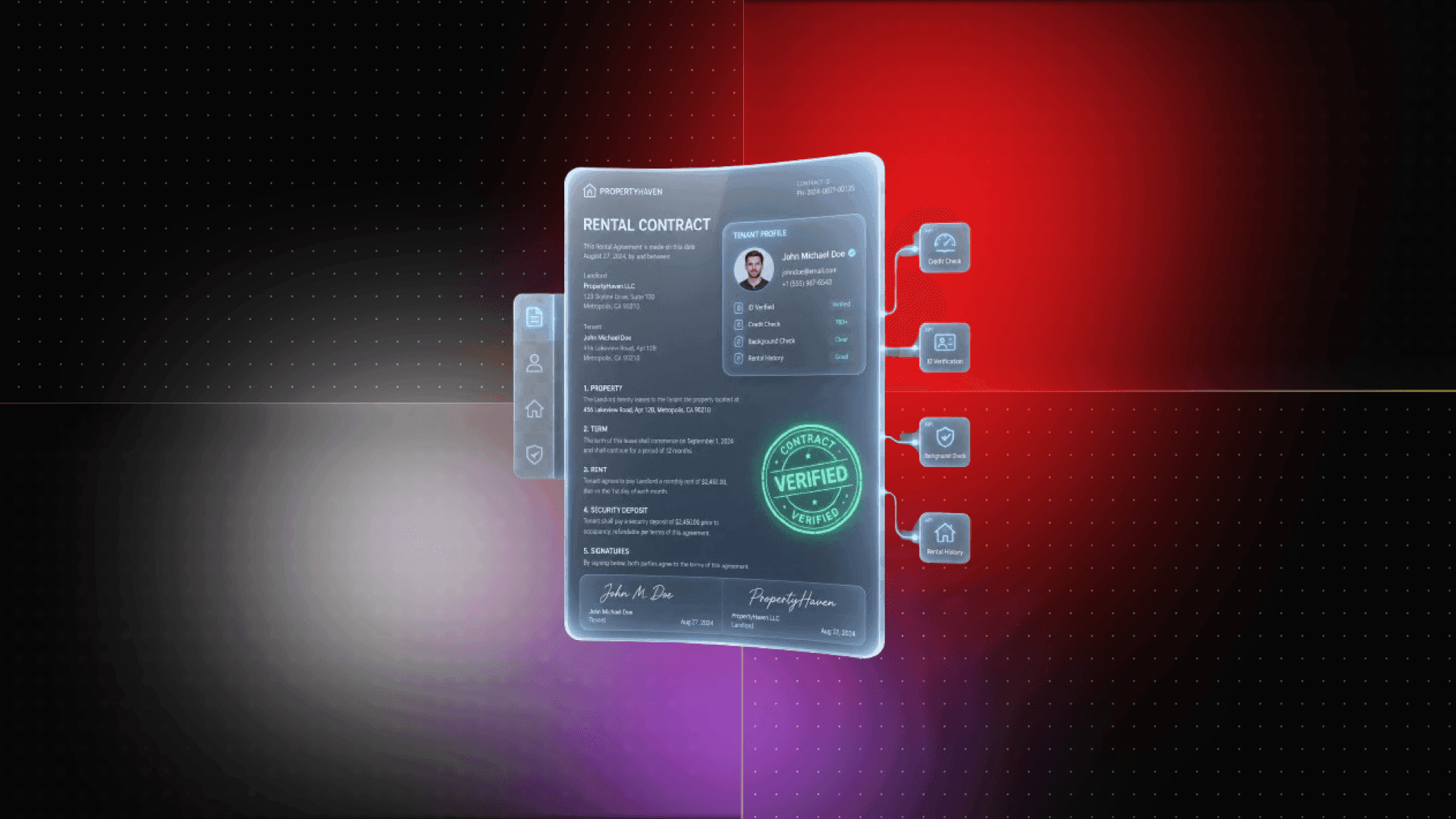
Ejar API Integration Software Development in Saudi Arabia: Tenancy Registration Endpoints, Rental Platform Architecture, and Property Management Compliance (2026)
Learn how to build a Wafi-integrated developer platform in Saudi Arabia with REGA registration workflows, escrow milestone tracking, buyer contract automation, and Wafi API architecture for off-plan real estate projects.

How to Build a Saudi Construction and Real Estate ERP: Vision 2030 Mega-Project Opportunities and What Custom Software Gets Right
Saudi contractors working on NEOM, ROSHN, and Vision 2030 projects need more than generic ERP. Here's what a Saudi construction ERP must include in 2026 — from ZATCA and Mudad compliance to BIM integration, CVR tracking, IPC generation, and multi-site workforce management.

Real Estate CRM Software for Saudi Arabia: Aqar Listing Sync, Wafi Off-Plan Commission Tracking, and WhatsApp-First Lead Management (2026)
Discover how Saudi real estate agencies use Aqar listing sync, Wafi commission tracking, WhatsApp-first lead management, Absher verification, and ZATCA invoicing to improve lead conversion, protect commission revenue, and streamline brokerage operations in 2026.