
17-06-2026
Ejar API Integration Software Development in Saudi Arabia: Tenancy Registration Endpoints, Rental Platform Architecture, and Property Management Compliance (2026)
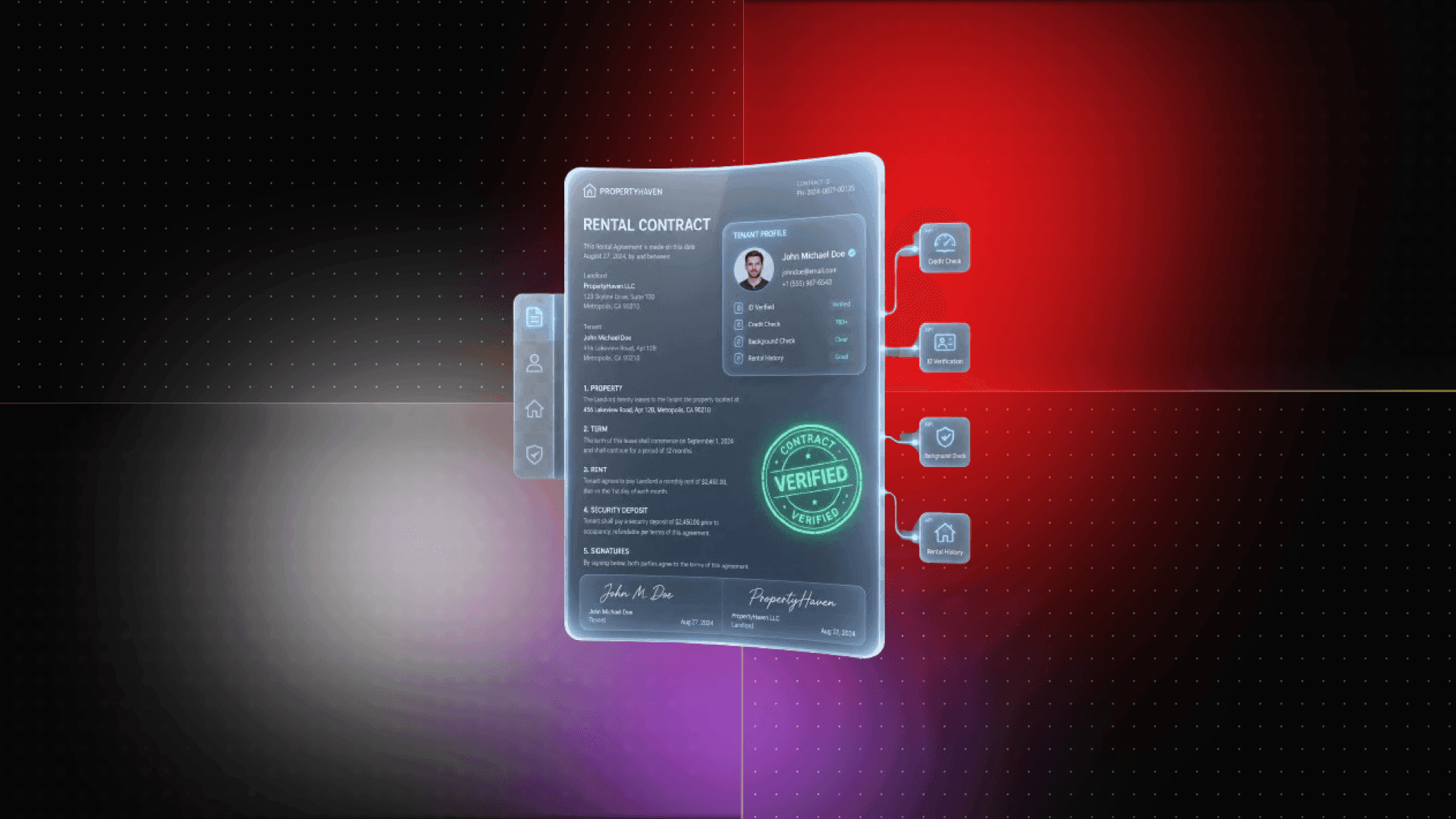
Quick answer: What is Ejar? Ejar (إيجار) is Saudi Arabia's official government platform for registering and regulating rental contracts, operated by the Real Estate General Authority (REGA) and the Ministry of Municipal, Rural Affairs and Housing. Every residential and commercial lease in the Kingdom must be registered on Ejar to be legally enforceable — without it, landlords cannot pursue eviction or rent recovery through Saudi courts, and tenants have no legal protection.
- Over 10 million contracts registered, ~19,000 added every day
- API integration automates registration, renewals, payment tracking, and REGA compliance
- Manual Ejar workflows cost a 500-unit portfolio ~61 hours/month in admin time
Want this automated for your properties? See how LogioLegion builds Ejar-integrated platforms →
Every rental contract in Saudi Arabia must be registered on Ejar. Without registration, the contract is legally unenforceable, the tenant has no legal protection mechanism, and the landlord cannot pursue recovery or eviction through Saudi courts.
More than 10 million contracts have already been registered through Ejar, with approximately 19,000 new contracts added every day. Yet many Saudi property management companies still rely on manual data entry across internal systems and the Ejar portal, creating duplicated work and compliance risk.
The Ejar API integration software development Saudi Arabia market is growing because property operators want automated contract registration, payment tracking, renewal management, and REGA compliance workflows. For portfolios exceeding 500 units, Ejar integration can eliminate over 60 hours of manual administrative work every month.
At LogioLegion, we build compliance-integrated real estate platforms for Saudi Arabia. As covered in our guide to the best software development companies in Saudi Arabia for real estate, regulatory integrations are increasingly becoming a core requirement rather than an optional feature.
بالعربية: ما هو نظام إيجار؟ (In Arabic: What Is the Ejar System?)
إيجار هو المنصة الإلكترونية الرسمية لتنظيم عقود الإيجار في المملكة العربية السعودية، تديرها الهيئة العامة للعقار ووزارة الشؤون البلدية والقروية والإسكان. يجب تسجيل كل عقد إيجار سكني أو تجاري في المملكة عبر منصة إيجار ليكون ساري المفعول قانونيًا. بدون هذا التسجيل، لا يستطيع المالك اللجوء إلى القضاء لاسترداد الوحدة أو تحصيل الإيجار، ولا يحصل المستأجر على الحماية القانونية الكاملة.
تساعد LogioLegion شركات إدارة الأملاك على ربط أنظمتها مباشرة بواجهة برمجة تطبيقات إيجار (Ejar API) لأتمتة تسجيل العقود وتجديدها ومتابعة المدفوعات، بما يتوافق مع متطلبات الهيئة العامة للعقار.
هل التسجيل في إيجار إلزامي؟ نعم، يجب تسجيل كل عقد إيجار سكني أو تجاري في السعودية عبر منصة إيجار ليكون ساري المفعول قانونيًا.
ما هي الشروط المطلوبة للتسجيل؟ رقم صك الملكية العقاري، والتحقق من هوية المالك والمستأجر عبر نفاذ، وموافقة المستأجر النهائية داخل منصة إيجار.
What Ejar is and why every Saudi property management platform must integrate it
Ejar (إيجار) is the official electronic rental regulation platform operated by the Real Estate General Authority (REGA) and the Ministry of Municipal, Rural Affairs and Housing.
Ejar regulates both residential and commercial rental contracts throughout Saudi Arabia. Every legally valid tenancy agreement must be registered through Ejar regardless of whether the property is owned by an individual landlord, a real estate company, a REIT, or an institutional investor.
For expat tenants, Ejar registration is also linked to housing compliance records associated with the Iqama system. This makes Ejar registration a mandatory compliance requirement rather than an administrative preference.
Modern property management platforms therefore require direct Ejar integration to automate:
- Contract registration
- Contract verification
- Payment monitoring
- Lease renewals
- Contract termination
- Rental benchmark validation
- Dispute management
- Portfolio compliance reporting Without API integration, operations teams spend significant time manually entering identical data into multiple systems.
The Ejar API — every endpoint explained
(Each endpoint below is shown in a code block for easy copying into your integration.)
Contract Registration API
POST /contracts/register
The Contract Registration API creates a new lease agreement within Ejar.
Required data includes:
- Landlord identity verification via NAFATH or Absher
- Tenant verification via NAFATH or Muqeem
- Property registry number
- Lease term dates
- Rent amount
- Payment frequency
- Security deposit information The API returns an Ejar contract reference number which becomes the primary legal identifier for the tenancy.
One important implementation detail is tenant acceptance. Contract submission does not equal contract registration. The contract enters a pending state until the tenant reviews and approves it through Ejar.
Contract Verification API
GET /contracts/{reference}/verify
This endpoint verifies the legal status of an existing tenancy agreement.
Returned information includes:
- Contract status
- Tenant details
- Landlord details
- Property information
- Rent amount
- Expiry date
- Payment schedule This API is commonly used by lenders, REITs, investment platforms, and due-diligence systems validating rental income claims.
Payment Status API
GET /contracts/{reference}/payments
The Payment Status API provides payment history and current payment standing.
Returned information includes:
- Paid installments
- Overdue balances
- Disputed payments
- Next due date
- Outstanding rent Property management systems typically synchronize this endpoint daily to automate arrears management and payment collection workflows.
Contract Renewal API
POST /contracts/{reference}/renew
This endpoint processes lease renewals.
Both parties must approve the renewal through Ejar notifications before completion.
Before approval, Ejar validates the proposed rent increase against the Smart Rental Index. Excessive increases trigger review workflows and can result in rejection.
Contract Termination API
POST /contracts/{reference}/terminate
The termination endpoint manages early contract closure.
Required information includes:
- Termination reason
- Initiating party
- Termination date
- Notice compliance Termination automatically triggers related processes including security deposit handling and dispute workflows where applicable.
Market Rental Index API
GET /market/rental-index
The Smart Rental Index API provides market rental benchmarks.
Data can be filtered by:
- City
- District
- Property type
- Unit size Property management systems use this information to calculate compliant rent adjustments before renewal offers are generated.
Complaint and Dispute API
POST /disputes/file
This endpoint allows landlords and tenants to initiate formal disputes.
Common dispute categories include:
- Rent non-payment
- Maintenance disputes
- Illegal rent increases
- Unauthorized eviction
- Contract violations The API returns dispute case identifiers and mediation information managed through REGA processes.
See it built for you: Explore LogioLegion's property management platform to see Ejar contract registration, renewals, and REGA compliance automated end-to-end. View Products →
The 3 prerequisites most developers miss
Property registry number mandatory
Every Ejar registration requires a valid property registry number linked to the official title deed.
Many property management platforms only collect addresses and property descriptions. This data is insufficient for Ejar registration.
Registry validation must occur before contract submission. If the registry number is unavailable, the contract registration process cannot proceed.
Tenant consent workflow
The tenant consent workflow is the most commonly misunderstood aspect of Ejar integration.
The correct state machine is:
Submitted → Pending Tenant Acceptance → Registered
Many systems incorrectly assume API submission equals successful registration.
A contract remains legally unregistered until tenant approval is completed through Ejar notifications.
For expatriate tenants, the platform should verify:
- Active Muqeem status
- Active Iqama
- Valid Saudi mobile number before initiating registration.
Smart Rental Index validation on renewal
The Smart Rental Index determines allowable rent increases.
Renewal workflows must query current benchmark data before generating lease renewal proposals.
Automating this validation prevents:
- Renewal rejections
- Compliance violations
- Delayed lease processing
- Tenant disputes Every renewal engine should incorporate index validation as a mandatory step.
Why property managers outgrow manual Ejar workflows
A property management company operating 500 residential units typically processes:
- 40 new registrations monthly
- 30 renewals monthly
- 500 payment reconciliations monthly Manual processing creates approximately:
| Activity | Monthly Hours |
|---|---|
| Contract registration | 10 |
| Renewals | 10 |
| Payment reconciliation | 41 |
| Total | 61 |
This workload consumes significant administrative resources.
At approximately SAR 8,000 per month in operational staffing costs, automation becomes financially attractive long before portfolios reach institutional scale.
An Ejar-integrated platform centralizes these workflows while maintaining continuous REGA compliance.
The 9 core modules of an Ejar-integrated property management platform
Landlord and Property Registry
Functions include:
- Registry number validation
- Portfolio management
- Property ownership tracking
- REGA synchronization
Tenant Onboarding and Identity Verification
Capabilities include:
- NAFATH integration
- Muqeem verification
- Mobile validation
- Iqama compliance checks
Contract Generation and Ejar Registration
Features include:
- Arabic lease generation
- Contract version management
- Ejar submission
- Consent tracking
Smart Rental Index and Renewal Engine
Capabilities include:
- Index lookups
- Increase calculations
- Renewal generation
- Renewal submission
Payment Management and Arrears Tracking
Functions include:
- Payment schedules
- Ejar payment synchronization
- Overdue monitoring
- SADAD integration
Maintenance and Property Condition Management
Capabilities include:
- Maintenance tickets
- Contractor assignments
- Property inspections
- Compliance documentation
Dispute and Complaint Management
Functions include:
- Ejar dispute filing
- Case monitoring
- Resolution tracking
- Legal documentation
Market Intelligence Dashboard
Features include:
- Rental benchmark analysis
- Yield monitoring
- Vacancy tracking
- Market comparisons
REGA Compliance and Portfolio Audit
Capabilities include:
- Registration rate monitoring
- Contract expiry tracking
- Audit preparation
- Compliance exports
The 5-step build process
Step 1 — Property registry verification and API credential application (Weeks 1–3)
Property registry data is validated and Ejar API access requirements are confirmed.
Architecture planning and compliance analysis begin during this stage.
Step 2 — Contract registration and tenant consent flow (Weeks 3–8)
Core contract registration workflows are developed.
Tenant acceptance state management and notification handling are implemented and tested.
Step 3 — Renewal engine and Smart Rental Index integration (Weeks 6–10)
Rental benchmark validation is integrated.
Automated renewal workflows are developed and verified against current regulatory requirements.
Step 4 — Payment tracking, ZATCA invoicing, and dispute management (Weeks 9–13)
Payment synchronization and arrears monitoring are implemented.
Rental billing workflows are commonly integrated with ZATCA Fatoorah API integration Saudi Arabia to maintain e-invoicing compliance.
Step 5 — Portfolio dashboard, REGA compliance reporting, and UAT (Weeks 12–16)
Portfolio analytics, audit reporting, and compliance dashboards are completed.
User acceptance testing validates workflows across residential and commercial tenancy scenarios.
What does Ejar API integration cost in Saudi Arabia?
Ejar integration module for existing platform
Scope:
- Contract registration
- Tenant consent workflows
- Payment tracking Investment: SAR 100,000–170,000 Timeline: 10–14 weeks
Full Ejar-integrated property management platform
Scope:
- All 9 modules
- Smart Rental Index integration
- ZATCA invoicing
- Portfolio dashboards Investment: SAR 220,000–380,000 Timeline: 16–22 weeks
Enterprise portfolio platform
Scope:
- 1,000+ units
- Multi-entity operations
- REGA audit readiness
- Market intelligence
- Tokenization-ready APIs Investment: SAR 400,000–700,000 Timeline: 22–32 weeks
Why LogioLegion
LogioLegion develops compliance-integrated platforms specifically for Saudi Arabia's regulated industries.
Our teams work across:
- Property management software
- Commercial real estate systems
- PropTech platforms
- Government integrations
- REGA compliance workflows
- ZATCA integrations
- NAFATH identity verification As discussed in our guides on commercial real estate software development Saudi Arabia and real estate broker CRM software Saudi Arabia, successful Saudi real estate platforms increasingly depend on regulatory connectivity rather than standalone functionality.
We build Arabic-first experiences, fixed-scope implementation plans, and compliance-ready architectures designed around Saudi regulatory requirements from day one.
Conclusion
Ejar is no longer simply a government portal. It has become the compliance backbone of Saudi Arabia's rental market.
Property management companies, REITs, PropTech startups, and institutional landlords that continue operating through manual workflows face growing operational overhead and compliance exposure. Automated Ejar integration eliminates duplicate data entry, streamlines tenant onboarding, improves renewal management, and provides portfolio-level visibility across every registered contract.
Building an Ejar-integrated property management platform in Saudi Arabia?
Book a free discovery call with LogioLegion — we scope the full tenant consent architecture, Smart Rental Index integration, and REGA compliance framework in one session.