
04-11-2026
Remote Work Management Software in Saudi Arabia (2026): Attendance, Work Visibility and PDPL-Compliant Employee Data
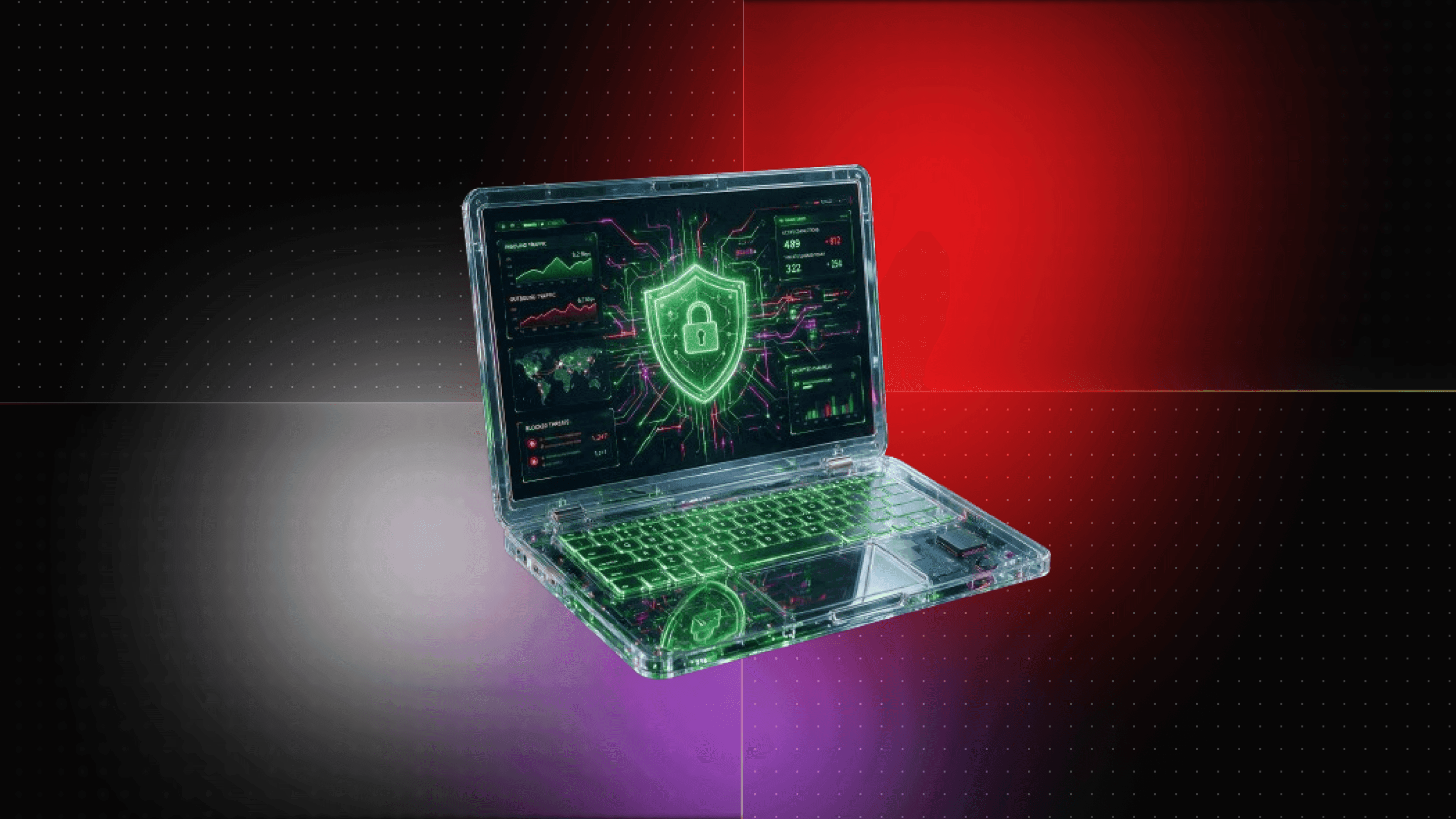
Quick answer: How can a Saudi company manage remote employees without breaking PDPL? Track work, not people. Record attendance, task progress and work activity during working hours on company devices, tell employees clearly what is collected and why, keep only what you need, and store it where your data rules allow. PDPL lets employers process non-sensitive employee data on a legitimate-interest basis, but keystroke logging, constant screenshots and webcam capture are hard to justify as proportionate.
- Employers are the data controller for employee data, and the monitoring tool vendor is a processor
- NCA's Telework Cybersecurity Controls (TCC-1:2021) apply to government entities and critical infrastructure operators, and are a sensible baseline for everyone else
- A remote attendance module connected to payroll typically costs SAR 30,000–70,000 to build
Need to run a remote team next week, not next quarter? Talk to Logiolegion about remote work software →
When offices close at short notice, the first questions from management are practical. Who is actually working today? Will attendance and overtime still feed payroll correctly? Are company systems safe when everyone connects from home?
The common reaction is to buy a monitoring tool that screenshots screens every few minutes. In Saudi Arabia that creates two problems at once: PDPL risk, because the tool often collects far more than the business needs and stores it abroad, and a trust problem, because good employees do not like being watched like suspects.
This guide covers the alternative: remote work management that gives managers real visibility while staying proportionate under PDPL. It is practical guidance, not legal advice, so confirm your setup with your legal adviser.
What remote work management software actually needs to do
Most Saudi companies need four things, not forty.
| Need | What it looks like in practice |
|---|---|
| Attendance | Staff check in and out from an app or when they log in to company systems, with shift rules and overtime handled automatically |
| Work visibility | Managers see what teams worked on and where tasks stand, without watching screens |
| Secure access | Remote connections, devices and accounts protected to a defined standard |
| Payroll link | Attendance, leave and overtime flow into payroll so GOSI, Mudad and WPS obligations stay on track |
Anything beyond this should have a clear business reason you could explain to an employee in one sentence.
The PDPL rules that apply to employee data
For employee records and any data a remote work tool collects, the employer is the controller, because it decides why and how the data is processed. The software vendor processing that data on the employer's behalf is a processor, so the contract with it matters.
The law needs a lawful basis for processing. Since the 2023 amendments, employers can rely on legitimate interest for non-sensitive personal data, as long as processing does not prejudice the employee's rights; consent remains an option, but consent from an employee to an employer is rarely truly free. Sensitive data, such as health information, cannot be processed on legitimate interest.
In practice, a PDPL-aligned remote work setup includes:
- A clear notice in Arabic, and in the employee's language where different, explaining what is collected, why, and for how long
- Data minimisation: collect what the stated purpose needs and nothing more
- Defined scope: working hours and company devices only
- Retention limits with automatic deletion
- Access controls so only the right managers see the data
- A way to handle employee requests to access or correct their data
- Hosting decisions made deliberately, because many global monitoring tools store data outside the Kingdom, which brings PDPL's transfer rules into play
Our cloud disaster recovery guide for Saudi Arabia explains when data can leave the Kingdom and which in-Kingdom hosting options exist.
Visibility versus surveillance: where the line usually sits
| Usually proportionate | Hard to justify |
|---|---|
| Check-in and check-out times | Keystroke logging |
| Task and project status | Screenshots every few minutes |
| Which work applications are used, by category, during working hours | Webcam or microphone capture |
| Plain-language summaries of what was worked on | Monitoring personal devices or personal accounts |
| Login events on company systems | Location tracking outside working hours |
| Overtime and leave records | Tracking that continues after the shift ends |
The left column answers the questions managers actually ask. The right column mostly creates data the business has to protect, explain and justify, without improving decisions.
Secure remote access: NCA's Telework Cybersecurity Controls
NCA issued the Telework Cybersecurity Controls (TCC-1:2021) to set minimum requirements for working remotely in a secure way, on top of the Essential Cybersecurity Controls. They are mandatory for government entities and critical national infrastructure operators, and a sensible baseline for any private company sending staff home.
In plain terms, TCC covers three areas:
- Devices: company laptops and phones protected, patched and encrypted, with device management where appropriate
- Connections: secure remote access to company systems, with multi-factor authentication
- People: awareness of phishing and social engineering, which typically rises during regional crises
Independent testing of the remote access setup is worth doing before a crisis rather than during one. Our VAPT services guide for Saudi Arabia covers what that involves.
Remote attendance that still feeds payroll
Office closures do not pause payroll obligations. GOSI contributions and Mudad Wage Protection System deadlines still apply, so remote attendance has to flow into the same payroll process as office attendance.
There are three common ways to record remote attendance:
- App check-in at the start and end of a shift, the simplest and most transparent option
- System login events, using the time an employee signs in to company systems as the attendance signal
- Location-based check-in, useful for field staff, but only with consent, only during working hours, and with clear retention limits
Whichever method you choose, overtime, leave and absence rules should calculate automatically, so HR is not reconciling spreadsheets at month end. Our Saudi HR and payroll development guide explains how attendance connects to GOSI, Mudad and WPS.
Build, buy, or combine?
| Option | Strengths | Watch out for |
|---|---|---|
| Global monitoring SaaS | Fast to switch on | Data often stored abroad, screenshot-heavy defaults, no Arabic interface, no GOSI or Mudad link |
| Saudi HR and payroll system | Attendance and payroll in one place, local compliance | May not cover work visibility or secure access |
| Custom remote work platform | Matches your policies, hosting and integrations exactly | Longer to build than switching on a SaaS tool |
Many companies combine a Saudi HR system for attendance and payroll with a lightweight work-visibility layer and a hardened remote access setup.
What does remote work management software cost in Saudi Arabia?
| Engagement | Typical cost | Timeline |
|---|---|---|
| Remote work and PDPL readiness review | SAR 10,000–25,000 | 1–2 weeks |
| Remote attendance module connected to payroll | SAR 30,000–70,000 | 4–7 weeks |
| Secure remote access setup aligned to TCC | SAR 25,000–80,000 | 3–8 weeks |
| Full remote work platform (attendance, work visibility, payroll and HR integration) | SAR 90,000–220,000 | 10–18 weeks |
For wider budgeting, see our custom software development cost guide for Saudi Arabia.
Work summaries instead of screenshots: Logiolegion's Activity Agent
Most monitoring tools answer the wrong question. They show what a screen looked like at 10:42, when a manager actually wants to know what the team worked on this week.
Logiolegion, a GCC-specialist custom software development company with a Dubai delivery presence, built its Activity Agent to answer that question. It runs in the background on work devices, picks up which applications, browser tabs and AI tools are being used, and turns that activity into plain-language summaries per person, such as "marketing campaign work, then a contract review, then development on the client portal." Staff can add their own notes, so the summary reflects context the software cannot see.
It deliberately avoids minute-by-minute scoring. The goal is visibility for managers and a usable record of work for everyone, which is easier to justify under PDPL's proportionality principles when deployed with a clear notice, working-hours scope and retention limits.
The Activity Agent is being prepared for listing on the Logiolegion website. If you are moving teams to remote work now, request early access to Activity Agent or ask for it to be set up alongside your attendance and payroll system.
Sending your teams home and need visibility without surveillance?
Logiolegion sets up remote attendance, secure access and work summaries around your PDPL obligations, then connects them to payroll, all at a fixed price in SAR.
Book a free remote work review →
Frequently Asked Questions
1. Is employee monitoring legal in Saudi Arabia? Monitoring is possible under PDPL when the employer has a lawful basis, such as legitimate interest for non-sensitive data, gives employees clear notice, and keeps collection proportionate to the purpose. Intrusive methods such as keystroke logging or webcam capture are much harder to justify. Confirm your specific setup with a legal adviser.
2. Do employers need employee consent under PDPL? Not always. Since the 2023 amendments, employers can rely on legitimate interest for non-sensitive personal data where it does not prejudice employees' rights. Consent is still a valid basis, but it must be freely given, which is difficult in an employer relationship.
3. What are NCA's Telework Cybersecurity Controls? The Telework Cybersecurity Controls (TCC-1:2021) are NCA's minimum cybersecurity requirements for remote work, covering device protection, secure remote access and staff awareness. They are mandatory for government entities and critical national infrastructure operators and a useful baseline for other companies.
4. How do you track attendance for remote employees in Saudi Arabia? The most common methods are app-based check-in, system login events and, for field staff, location-based check-in with consent. Attendance should feed payroll automatically so GOSI, Mudad and WPS obligations stay on schedule.
5. Can Logiolegion set up remote attendance that connects to our payroll before offices close? Yes. Logiolegion builds remote attendance modules with app check-in or login-based attendance, automatic overtime and leave rules, and a direct link to payroll for GOSI and Mudad. A typical module takes 4–7 weeks and costs SAR 30,000–70,000. Discuss your timeline.
6. Our team uses a global monitoring tool that takes screenshots. How would Logiolegion make our setup PDPL-friendly? Logiolegion reviews what the tool collects, where it stores data and what your stated purpose is, then removes collection that is not needed and moves hosting where your data rules require. Many clients replace screenshot capture with work summaries and attendance records, which answer the same management questions with far less personal data.
7. What is Logiolegion's Activity Agent? Activity Agent is Logiolegion's background tool that turns application, browser and AI-tool activity on work devices into plain-language summaries of what each person worked on. It avoids minute-by-minute scoring and lets staff add their own notes. Request early access.
8. Does Logiolegion offer a ready-made HR system, or only custom builds? Logiolegion offers both: custom-built HR and remote work platforms, and Nasaq HRMS, a ready-made Saudi HR and payroll system available by subscription. Companies can pair either with Activity Agent for work visibility. See Nasaq HRMS for the ready-made option.
9. Can Logiolegion secure our remote access to NCA's TCC standard? Logiolegion sets up secure remote access with multi-factor authentication, device protection and access logging aligned to TCC-1:2021, typically in 3–8 weeks for SAR 25,000–80,000. The setup can be independently tested afterwards, as covered in our VAPT services guide.
10. Where does Logiolegion host remote work data for Saudi companies? Logiolegion hosts it where the company's data rules allow, in-Kingdom where required, with options such as Google Cloud Dammam or Oracle Cloud Riyadh. Retention limits and access controls are set at deployment, and the hosting choices are explained in our Saudi cloud disaster recovery guide.
Continue Reading
Discover our full range of services - from custom software development to complete marketing solutions