
28-07-2026
Port and Marine Management Software Saudi Arabia — Mawani Integration, FASAH Port Operations, ZATCA on Port Services, and Custom Software for Saudi Seaports (2026)

A terminal operator at a Saudi port is running Navis N4—the global benchmark for terminal operating systems. The platform tracks containers, optimizes vessel stowage, and records crane moves with precision. Yet Mawani Connect berth allocation still depends on manual exports, FASAH cargo release permits never reach the gate release workflow automatically, ZATCA invoices are generated in disconnected finance software, and GOSI payroll for shift-based stevedore gangs is still maintained in spreadsheets. A modern Saudi port requires far more than a conventional TOS. It requires software designed around Saudi Arabia's regulatory ecosystem—from Mawani and FASAH to ZATCA, GOSI, and Vision 2030 logistics initiatives.
Saudi Arabia's Ports in 2026 — The Vision 2030 Logistics Infrastructure Creating Demand
Saudi Arabia is investing more than $4 billion into maritime and logistics infrastructure under Vision 2030 to become one of the world's largest logistics hubs connecting Asia, Europe, and Africa.
Today, Mawani (Saudi Ports Authority) governs nine major commercial seaports that collectively support container shipping, industrial exports, petrochemicals, mining, and giga-project supply chains.
Major facilities include:
- King Abdulaziz Port, Dammam — Arabian Gulf gateway handling more than 1.8 million TEUs annually
- Jeddah Islamic Port — the Kingdom's largest container port exceeding 4 million TEUs annually
- Jubail Industrial Port
- Yanbu Commercial Port
- King Fahd Industrial Port, Jubail
- Ras Al-Khair Port
- NEOM Sharma Port
- Additional commercial ports supporting regional trade
These ports increasingly rely on:
- Automated berth scheduling
- Digital cargo visibility
- Integrated customs workflows
- AI-assisted yard planning
- Vessel traffic analytics
- Electronic billing
- Real-time operational dashboards
Traditional terminal operating systems manage container movements efficiently.
Saudi ports now require software capable of supporting the Kingdom's unique regulatory and operational environment.
Mawani Connect — What Port Software Must Integrate with Saudi Arabia's Port Authority Platform
Every commercial Saudi port operates inside the Mawani digital ecosystem.
For software vendors, Mawani integration is no longer optional.
A Saudi port management platform should integrate with Mawani Connect to automate operational workflows across the complete vessel lifecycle.
Vessel Arrival Notification
International vessels generally submit arrival notifications approximately 48 hours before ETA, while GCC regional traffic typically requires 24-hour advance notification.
Instead of manually preparing submissions, port software should automatically generate arrival notifications using voyage schedules and vessel master data.
This reduces administrative effort while ensuring compliance with Mawani operational procedures.
Berth Allocation Requests
The software should allow operators to submit berth requests based on vessel category, including:
- Container vessels
- Bulk carriers
- Tankers
- RoRo vessels
- General cargo vessels
Once Mawani confirms berth allocation, berth planners should update automatically, eliminating duplicate scheduling activities.
Vessel Departure Confirmation
Following cargo completion, vessel departure notifications should synchronize directly with Mawani.
Automating this process reduces reporting delays and provides a complete digital audit trail for vessel movements.
Port Dues Automation
Port service charges commonly include:
- Pilotage
- Towage
- Mooring
- Berth hire
Instead of manually calculating fees, software should calculate charges from operational events before submitting them through Mawani's billing workflow.
This improves billing accuracy while reducing administrative workload.
FASAH at the Port — Cargo Release, Green Track, and Dangerous Goods Documentation
Although FASAH is primarily associated with Saudi customs clearance, it also plays a critical role inside port operations.
Cargo cannot legally leave the terminal until FASAH confirms customs release.
Cargo Release Permit Synchronization
Following customs clearance, FASAH issues an electronic release permit.
Port management software should continuously monitor FASAH and automatically match release permits against:
- Container numbers
- Bill of Lading numbers
- Cargo lot references
Until the release permit is successfully matched, gate release should remain blocked.
This prevents unauthorized cargo movement while maintaining customs compliance.
Green Track vs Red Track Visibility
Every inbound shipment receives a customs processing status.
Green Track
- Immediate customs clearance
- Minimal inspection
- Faster cargo release
Red Track
- Physical inspection required
- Longer clearance time
- Inspection yard allocation required
Displaying Green and Red Track status directly within the terminal dashboard enables yard planners to:
- Reserve inspection zones
- Improve yard utilization
- Reduce unnecessary container reshuffling
- Anticipate congestion before vessels arrive
The same FASAH-driven architecture is also used within Saudi warehouse management systems, where inland inventory movements continue after cargo exits the port.
Dangerous Goods Documentation
Dangerous Goods (DG) require additional compliance handling.
Software should manage:
- IMDG Code classification
- Hazard segregation requirements
- SFDA approvals where applicable
- Presidency of State Security pre-clearance
- FASAH confirmation before terminal entry
Until approvals are complete, DG containers should remain unavailable for standard cargo handling workflows.
ZATCA on Port Services — Managing Complex Billing Workflows
Port operations generate numerous billable events, each subject to Saudi Arabia's electronic invoicing regulations.
Common billable services include:
- Stevedoring
- Berth hire
- Pilotage
- Towage
- Mooring
- Ground rent
- Demurrage
- Reefer monitoring
- Hazardous cargo handling
- Lift-on/Lift-off operations
Unlike warehouse billing, every billing category follows a different operational trigger.
Stevedoring
Invoices are generated after vessel completion based on actual crane move counts.
Berth Hire
Charges depend on vessel length and berth occupancy duration.
Ground Rent
Storage charges accumulate daily once the free storage period expires.
Reefer Monitoring
Monitoring services may be billed every six hours while refrigerated containers remain connected.
A Saudi-ready billing engine should calculate these charges directly from operational records without requiring finance teams to manually recreate invoices.
The workflow should include:
- Automatic charge calculation
- Invoice generation
- ZATCA Fatoorah submission
- Clearance confirmation
- Customer invoice delivery
This creates a single operational-to-financial workflow rather than disconnected operational and accounting systems.
Vessel Operations Management — From Pre-Arrival to Post-Departure
Efficient vessel turnaround depends on software that manages the complete operational lifecycle rather than isolated activities. From the moment a vessel appears on AIS feeds until the final ZATCA-cleared invoice is issued after departure, every operational event should flow through a single digital platform. Modern port management software Saudi Arabia must synchronize vessel schedules, berth allocations, cargo handling, workforce planning, customs clearance, billing, and reporting while remaining connected to Mawani Connect and FASAH.
A disconnected collection of spreadsheets, standalone billing software, and legacy terminal applications creates delays, duplicate data entry, and compliance risks that directly affect vessel turnaround time.
Pre-Arrival Planning
Operations begin long before the vessel reaches the pilot station.
The software should continuously monitor Automatic Identification System (AIS) feeds to receive:
- Estimated Time of Arrival (ETA)
- Voyage updates
- Route deviations
- Weather delays
- Speed changes
These live vessel movements should synchronize with Mawani berth allocations so operations managers can identify scheduling conflicts before vessels reach Saudi waters.
Pre-arrival planning should also coordinate:
- berth availability,
- crane assignment,
- reach stacker scheduling,
- forklift readiness,
- yard space allocation,
- and labour planning.
Instead of manually calling supervisors to prepare equipment, dispatchers should receive automated operational schedules generated from vessel arrival forecasts.
Stevedore Gang Planning
Saudi ports operate using multiple stevedore gangs working across shifts.
The port management system should allocate gangs based on:
- vessel type,
- cargo category,
- crane availability,
- labour certifications,
- shift availability,
- overtime restrictions,
- and operational priorities.
The software should automatically determine the number of gangs required for each vessel while balancing labour utilization across the terminal.
This improves productivity while reducing overtime costs.
Equipment Readiness
Before vessel arrival, terminal equipment should be verified automatically.
Software should monitor:
- Ship-to-Shore cranes
- Rubber Tyred Gantry cranes
- Reach Stackers
- Empty Container Handlers
- Forklifts
- Terminal tractors
Maintenance schedules should integrate with operations planning so unavailable equipment is excluded from deployment.
This prevents last-minute operational disruptions during vessel discharge.
Berth Operations
Once the vessel is alongside, software becomes the operational command center.
Every cargo movement should be recorded in real time.
Typical operational events include:
- Container discharge
- Container loading
- Restow operations
- Hatch cover movements
- Breakbulk cargo handling
- Bulk cargo transfer
Each crane move should capture:
- Container number
- Crane identification
- Operator
- Move type
- Timestamp
- Yard destination
These operational records become the foundation for both operational reporting and automated customer billing.
Real-Time Crane Move Logging
Accurate crane move logging is essential because it supports multiple business functions simultaneously.
Operational records drive:
- Productivity reporting
- Equipment utilization
- Customer billing
- Vessel reconciliation
- Labour allocation
- Performance analytics
Rather than manually entering crane moves after vessel completion, operators should record events directly through handheld devices or integrated crane systems.
This significantly improves operational accuracy.
Vessel Stability Integration
For container vessels, cargo loading affects vessel stability.
Port software should integrate cargo weight information with vessel loading plans to support:
- Trim calculations
- Stability verification
- Safe cargo sequencing
- Weight distribution analysis
Although specialized stability software performs detailed calculations, operational systems should exchange cargo weight updates throughout vessel operations.
Delay Reason Management
No port operates without delays.
However, delays should be measured rather than simply accepted.
The system should classify every operational interruption using standardized delay codes such as:
- Weather
- Equipment failure
- Labour shortage
- Documentation delay
- Customs inspection
- Safety incident
- Vessel late arrival
- Power outage
Capturing structured delay information allows terminal operators to identify recurring operational bottlenecks and improve berth productivity.
Yard Visibility During Operations
As containers leave the vessel, software should update yard positions immediately.
Operations teams require real-time visibility into:
- Available yard slots
- Inspection areas
- Reefer zones
- Dangerous Goods locations
- Empty container stacks
- Export staging areas
This minimizes unnecessary container reshuffling and improves equipment productivity throughout the terminal.
Post-Departure Operations
The operational cycle continues after the vessel leaves the berth.
Following departure, the software should automatically perform several reconciliation activities.
These include:
- Vessel departure confirmation to Mawani
- Final crane move reconciliation
- Cargo completion reports
- Equipment utilization summaries
- Operational KPI generation
The departure confirmation should synchronize with Mawani Connect to maintain a complete operational history.
Billing Reconciliation
After vessel completion, operational data transitions into financial workflows.
The billing engine should calculate:
- Stevedoring charges
- Berth hire
- Pilotage
- Towage
- Reefer monitoring
- Hazardous cargo handling
- Ground rent
- Demurrage
These calculations should be generated automatically from operational records without requiring finance personnel to manually reconstruct invoices.
The completed invoices should then pass through ZATCA Fatoorah clearance before delivery to shipping lines, freight forwarders, or importers.
Container Demurrage and Detention
Not every container leaves the terminal immediately.
Once the free storage period expires, demurrage calculations begin automatically.
The software should:
- Track free storage expiry
- Calculate escalating storage rates
- Generate customer notifications
- Produce ZATCA-compliant invoices
Automating this process significantly reduces revenue leakage while improving customer transparency.
Operational Analytics
Modern Saudi ports generate enormous amounts of operational data.
Executive dashboards should present metrics including:
- Vessel turnaround time
- Average berth occupancy
- Crane productivity
- Yard utilization
- Average container dwell time
- Equipment availability
- Labour productivity
- Revenue per vessel call
These dashboards help terminal operators continuously improve operational efficiency while supporting Vision 2030 logistics performance targets.
Marine Services Software — PDA, FDA, and Shipping Agency Management
Terminal operators are only one part of Saudi Arabia's maritime ecosystem.
Shipping agents, marine fuel suppliers, vessel service providers, towage operators, and husbandry agencies all require specialized operational software that manages financial settlement alongside vessel services.
Unlike terminal operations, marine service companies focus on coordinating every commercial activity surrounding a vessel call—from advance budgeting before arrival to final financial reconciliation after departure.
Marine Services Software — PDA, FDA, and Shipping Agency Management
Terminal operators represent only one part of Saudi Arabia's maritime ecosystem.
Shipping agents, marine fuel suppliers, vessel husbandry companies, towage providers, offshore support contractors, and marine logistics firms all require software designed around vessel services rather than container movements.
A modern marine management software Saudi Arabia platform should manage vessel-related financial operations, regulatory documentation, crew coordination, and service delivery from the moment a vessel nominates a Saudi port until every supplier invoice has been reconciled.
Port Disbursement Account (PDA)
Every vessel call begins with a financial estimate.
Before arrival, shipping agents prepare a Port Disbursement Account (PDA) that estimates all expected expenses associated with the vessel's stay.
Typical PDA components include:
- Pilotage
- Towage
- Mooring
- Berth hire
- Stevedoring
- Launch services
- Fresh water supply
- Waste collection
- Bunkering coordination
- Customs documentation
- Agency fees
The PDA is submitted to the vessel owner or shipping line before arrival to obtain sufficient operational funding.
Marine management software should automatically generate PDAs using current Mawani tariffs, historical vessel calls, vessel dimensions, cargo type, and expected operational duration.
This significantly reduces manual calculations while improving estimate accuracy.
Final Disbursement Account (FDA)
Once the vessel departs, estimated costs become actual operational costs.
The Final Disbursement Account (FDA) reconciles every expense incurred during the vessel call against the original PDA.
Software should automatically compare:
- Estimated port dues
- Actual Mawani charges
- Pilotage invoices
- Towage invoices
- Stevedoring costs
- Equipment hire
- Launch services
- Husbandry expenses
- Third-party supplier invoices
The resulting FDA provides complete financial transparency for both the shipping agent and vessel owner.
Instead of manually compiling invoices over several days, the reconciliation should occur automatically as supplier invoices enter the system.
Agency Fee Management
Shipping agents earn revenue through agency service fees.
Marine management software should calculate:
- Fixed agency fees
- Vessel-specific service charges
- Documentation fees
- Coordination charges
- Additional service requests
These charges should automatically generate ZATCA-compliant B2B invoices, ensuring every customer invoice passes through the required Fatoorah clearance workflow before delivery.
Vendor and Supplier Management
Every vessel call involves numerous external service providers.
Typical suppliers include:
- Tug operators
- Pilot services
- Waste disposal companies
- Fresh water suppliers
- Marine fuel providers
- Launch boat operators
- Chandlers
- Equipment rental companies
The software should maintain supplier master records, service histories, pricing agreements, payment status, and invoice reconciliation within a single platform.
This provides complete visibility across every vessel call.
Crew Change Management
Saudi ports regularly facilitate international crew changes.
Marine service companies coordinate:
- Crew arrival
- Crew departure
- Immigration documentation
- Airport transfers
- Accommodation
- Launch transportation
- Port access approvals
Managing these activities manually becomes increasingly difficult when multiple vessels arrive simultaneously.
Marine management software should automate crew scheduling while maintaining complete documentation for every seafarer.
Seamen's Book Verification
Every crew member arriving at a Saudi port carries official maritime documentation.
Software should record:
- Seamen's Book details
- Passport information
- Nationality
- Visa status
- Crew rank
- Contract validity
- Joining vessel
- Leaving vessel
Maintaining structured records improves compliance while reducing document processing delays.
Port Entry Clearance
Foreign crew members require authorization before entering Saudi ports.
The system should manage:
- Entry permit requests
- Immigration approvals
- Port security clearance
- Arrival timestamps
- Departure confirmations
This provides a complete audit trail for every crew movement associated with a vessel call.
Service Request Coordination
Marine agencies coordinate numerous operational requests throughout the vessel's stay.
Common requests include:
- Fresh water supply
- Garbage collection
- Spare parts delivery
- Crew medical assistance
- Launch services
- Cash-to-master requests
- Customs attendance
- Surveyor coordination
Rather than tracking these requests through email chains and phone calls, software should assign tasks to operational teams while monitoring completion status in real time.
Customer Portal
Shipping lines increasingly expect real-time visibility into vessel operations.
A customer portal should allow clients to monitor:
- Vessel arrival status
- PDA approval
- Operational progress
- Completed services
- Outstanding requests
- FDA reconciliation
- Invoice status
Providing self-service access reduces administrative communication while improving customer experience.
GOSI, WPS, and Nitaqat for Port Workers
Saudi ports employ thousands of workers across terminal operations, marine services, cargo handling, equipment maintenance, and vessel support.
Unlike conventional office payroll, maritime labour follows highly variable shift-based operational patterns.
A modern port operations software KSA platform should integrate workforce management directly into daily operations rather than maintaining separate HR spreadsheets.
Stevedore Gang Management
Stevedore gangs form the operational backbone of container terminals.
Instead of fixed monthly salaries, gang members are commonly compensated according to:
- Shift worked
- Vessel assignment
- Cargo category
- Overtime hours
- Night shift premiums
- Friday work premiums
The software should automatically calculate gang wages using operational attendance records generated during vessel handling.
This removes duplicate payroll calculations while improving wage accuracy.
Shift Planning
Port operations continue twenty-four hours per day.
Supervisors must coordinate multiple overlapping shifts covering:
- Crane operators
- Yard supervisors
- Tally clerks
- Reach stacker operators
- Equipment mechanics
- Signalmen
- Safety officers
The scheduling engine should balance labour utilization while minimizing overtime costs and ensuring qualified personnel remain available for every vessel operation.
GOSI Contribution Management
Every eligible employee working at Saudi ports must be managed under GOSI regulations.
Payroll modules should calculate contributions using:
- Base wages
- Shift allowances
- Night shift premiums
- Friday work compensation
- Overtime earnings
Contribution calculations should update automatically whenever payroll values change.
Mudad WPS Integration
Salary payments must comply with Saudi Arabia's Wage Protection System.
Software should generate:
- Monthly Mudad salary files
- Payment verification reports
- Payroll reconciliation
- Salary approval workflows
Integrating payroll directly into operational systems reduces administrative effort while supporting regulatory compliance.
Nitaqat Compliance
Saudi Arabia's maritime sector operates under Saudisation requirements established through the Nitaqat Mutawar program.
Port management software should continuously monitor:
- Saudi workforce percentage
- Expatriate workforce percentage
- Department-level Saudisation
- Vacancy planning
- Recruitment targets
Executive dashboards should immediately highlight facilities approaching non-compliance before regulatory issues arise.
Iqama Monitoring
A significant proportion of Saudi port workers consist of experienced international maritime personnel.
The HR module should automatically monitor:
- Iqama expiry
- Passport validity
- Work permit status
- Visa renewal dates
- Contract expiry
Automated alerts reduce operational disruption caused by expired employment documentation.
Workforce Analytics
Executive HR dashboards should present operational indicators including:
- Shift attendance
- Labour productivity
- Overtime utilization
- Workforce availability
- GOSI contribution summaries
- Saudisation ratios
- Payroll expenditure
- Crew utilization
These insights help port operators optimize labour allocation while maintaining compliance with Saudi employment regulations.
Pricing for Custom Port and Marine Management Software in Saudi Arabia
Every Saudi port operator has different operational requirements.
A marine services company managing vessel agency operations has a very different software footprint than a container terminal handling millions of TEUs annually.
Project cost depends on:
- Number of terminals
- Vessel traffic volume
- Mawani Connect integrations
- FASAH automation scope
- ZATCA billing complexity
- Equipment integration
- Workforce management
- Executive reporting
- Compliance requirements
Typical implementation ranges are outlined below.
Port Operations Software (Single Terminal or Marine Service Company)
Designed for:
- Marine service providers
- Shipping agents
- Small cargo terminals
- Stevedoring contractors
- Independent berth operators
Typical capabilities include:
- Mawani Connect integration
- Vessel arrival and departure management
- FASAH cargo release tracking
- Green Track and Red Track visibility
- ZATCA-compliant B2B invoicing
- PDA and FDA management
- Arabic-first operational dashboard
- Stevedore gang scheduling
- GOSI payroll integration
- Mudad WPS file generation
- Customer portal
- Operational reporting
Estimated Investment
SAR 200,000–380,000
Estimated Timeline
16–24 Weeks
Full Terminal Operating System (TOS Replacement or Supplement)
Suitable for:
- Container terminals
- Multi-purpose cargo terminals
- Industrial ports
- Large terminal operators
Includes everything in the previous tier, plus:
- Real-time crane move logging
- Container yard management
- Berth planning dashboard
- Vessel stowage visibility
- Reefer monitoring
- Yard slot optimization
- Demurrage calculation
- AIS vessel tracking
- Equipment utilization monitoring
- Dangerous Goods management
- Executive KPI dashboards
- Multi-user operational workflows
Estimated Investment
SAR 380,000–700,000
Estimated Timeline
24–36 Weeks
Enterprise Port Group Platform (Multi-Terminal Operations)
Designed for:
- Large terminal operators
- Multi-port operators
- Industrial port authorities
- Vision 2030 logistics operators
- NEOM logistics infrastructure
Includes every capability above, plus:
- Multi-terminal operational dashboard
- Cross-port vessel scheduling
- Consolidated operational analytics
- Enterprise billing engine
- Cross-terminal container visibility
- Advanced berth optimization
- AI-assisted resource allocation
- Predictive vessel congestion analysis
- Aramco CCC compliance controls
- NCA ECC cybersecurity architecture
- Executive reporting for multiple facilities
- NEOM Sharma Port operational customization
Estimated Investment
SAR 700,000–1,400,000
Estimated Timeline
32–48 Weeks
Why Logiolegion for Port Management Software in Saudi Arabia
Building software for Saudi ports requires much more than developing a conventional terminal operating system.
It requires deep understanding of the Kingdom's regulatory ecosystem, government digital platforms, operational workflows, and compliance architecture.
At Logiolegion, we specialize in custom software built specifically for Saudi Arabia's logistics, maritime, and industrial sectors.
Our engineering approach focuses on integrating operational systems directly with Saudi government platforms instead of forcing operators to rely on disconnected spreadsheets or manual workflows.
Our expertise includes:
- FASAH cargo release workflows and customs integrations
- ZATCA Fatoorah B2B invoicing
- Complex operational billing engines
- Saudi workforce compliance
- Arabic-first enterprise applications
- Government API integrations
- AWS Bahrain cloud deployments
- NCA ECC-ready architectures
Our published engineering resources already cover many of the compliance building blocks required by Saudi port operators.
These include:
- Warehouse Management Software Saudi Arabia, which documents the same FASAH cargo tracking architecture used after cargo leaves the port for inland warehouses.
- ZATCA Fatoorah API Integration, covering complex invoice generation and electronic clearance workflows.
- Fleet Management Software Saudi Arabia, which complements terminal operations by managing landside transportation after container gate-out.
- Saudi HR Payroll Software, covering GOSI, Mudad WPS, payroll automation, and Saudisation monitoring for operational workforces.
- Aramco CCC Compliance, providing cybersecurity controls required for industrial ports supporting Aramco and large energy operators.
Our preferred technology stack includes:
React
- Arabic-first operational dashboards
- Berth planners
- Yard management interfaces
- Executive reporting portals
Node.js
- Mawani Connect integration
- AIS vessel tracking
- FASAH cargo release polling
- Real-time operational events
- ZATCA invoice generation
- Notification services
Laravel
- Vessel call billing engine
- Demurrage calculations
- PDA/FDA workflows
- GOSI payroll management
- Nitaqat dashboards
- Workforce scheduling
AWS Bahrain (me-south-1)
- Secure Saudi data hosting
- NCA ECC-ready infrastructure
- High-availability deployments
- Audit logging
- Disaster recovery
- Encryption and compliance controls
Rather than adapting overseas software after deployment, we design Saudi-specific operational workflows from the beginning, allowing operators to deploy systems that align with local regulations, port authority requirements, and future Vision 2030 expansion.
Conclusion
Saudi Arabia's ports now move millions of TEUs every year while supporting one of the world's fastest-growing logistics sectors under Vision 2030.
Managing that scale requires software built around Mawani, FASAH, ZATCA, GOSI, and Saudi operational practices—not disconnected spreadsheets or generic international terminal systems.
Whether you're operating a marine services company, container terminal, industrial port, or multi-terminal logistics network, Logiolegion can build a Saudi-first platform tailored to your operational and compliance requirements.
Ready to modernize your port operations?
👉 Book a free discovery call: https://logiolegion.com/contact-us
We'll evaluate your facilities, Mawani integration requirements, FASAH workflows, billing processes, workforce management needs, and deliver a fixed-price implementation proposal within five business days.
FAQ
1. What is Mawani and what integration does Saudi port software need?
Mawani (Saudi Ports Authority) governs Saudi Arabia's commercial seaports and operates the digital ecosystem used by terminal operators, shipping agents, and marine service providers. Modern port management software should integrate with Mawani Connect to automate vessel arrival notifications, berth allocation requests, vessel departure confirmation, and port dues processing. Without Mawani integration, many operational workflows still require manual document exchange and duplicate data entry.
2. How does FASAH integrate with Saudi port cargo release workflows?
FASAH serves as Saudi Arabia's National Single Window for customs clearance. Port management software integrates with FASAH by monitoring cargo release permits, tracking Green Track and Red Track customs status, matching release permits against container numbers or Bills of Lading, and preventing cargo gate-out until customs clearance is confirmed. This allows terminal operators to coordinate yard planning, inspection areas, and cargo release with real-time customs information.
3. What ZATCA invoicing requirements apply to Saudi port service companies?
Saudi port operators and marine service companies issue ZATCA-compliant B2B invoices for services such as stevedoring, berth hire, pilotage, towage, mooring, container storage, reefer monitoring, hazardous cargo handling, and gate movements. Port management software should calculate charges directly from operational records, submit invoices through ZATCA Fatoorah for clearance, and maintain complete audit records for every vessel call.
4. What is a Port Disbursement Account (PDA) and how is it managed?
A Port Disbursement Account (PDA) is the advance cost estimate prepared by a shipping agent before a vessel arrives. It typically includes expected port dues, pilotage, towage, berth charges, stevedoring, and agency fees. After vessel departure, the Final Disbursement Account (FDA) reconciles actual costs against the PDA, allowing accurate settlement between the shipping line and the shipping agent.
5. Which company builds port management software in Saudi Arabia?
Logiolegion develops custom port management software Saudi Arabia specifically for Mawani-regulated ports and marine operators. Our solutions support Mawani Connect integration, FASAH cargo release automation, ZATCA-compliant billing, Arabic-first operational dashboards, vessel operations management, and workforce compliance. We build custom systems rather than forcing operators to adapt overseas software to Saudi regulations. Learn more or discuss your project at https://logiolegion.com/contact-us.
6. I operate a stevedoring company in Jeddah — who builds our management system?
Logiolegion develops custom software for Saudi stevedoring contractors that manages gang scheduling, crane move recording, shift-based payroll, GOSI calculations, Mudad WPS exports, vessel operations, and ZATCA billing. The system can integrate directly with Mawani workflows while maintaining complete operational visibility from vessel arrival through cargo completion. Contact us at https://logiolegion.com/contact-us to discuss your operational requirements.
7. How much does port management software cost in Saudi Arabia?
Pricing depends on the number of terminals, operational complexity, compliance requirements, and required integrations. Single-terminal operational platforms generally range from SAR 200,000–380,000, while enterprise multi-terminal platforms can exceed SAR 1.4 million depending on functionality. Logiolegion provides fixed-price implementation proposals after reviewing your vessel volumes, Mawani integrations, FASAH workflows, billing requirements, and operational processes. Request a consultation at https://logiolegion.com/contact-us.
8. Which company integrates Mawani Connect with port operations software?
Logiolegion builds custom Mawani Connect integrations for Saudi terminal operators and marine service companies. We automate berth requests, vessel arrival notifications, departure confirmations, operational reporting, and port dues workflows while connecting them with broader operational systems. This reduces manual coordination between port authorities and terminal operations. Learn more at https://logiolegion.com/contact-us.
9. I need FASAH cargo release integration in my port TOS — who builds this?
Logiolegion develops Terminal Operating System integrations that continuously monitor FASAH cargo release status, Green Track and Red Track customs clearance, electronic release permits, and dangerous goods approvals. The software prevents unauthorized gate release until customs clearance is verified and synchronizes operational workflows with Saudi customs requirements. Discuss your implementation at https://logiolegion.com/contact-us.
10. Which company builds ZATCA-compliant billing for Saudi marine service companies?
Logiolegion develops custom billing platforms that calculate stevedoring charges, berth hire, storage, reefer monitoring, pilotage, towage, hazardous cargo surcharges, and agency fees directly from operational events. Every invoice can be submitted through ZATCA Fatoorah for B2B clearance while maintaining complete operational and financial traceability. Contact our team via https://logiolegion.com/contact-us.
11. I am developing NEOM Sharma Port operations — who builds the port management software?
Logiolegion builds enterprise-grade software for Saudi logistics projects, including future-ready operational platforms suitable for NEOM logistics developments. Our systems support Mawani integration, vessel operations, FASAH customs workflows, ZATCA billing, Arabic-first interfaces, AWS Bahrain deployments, and enterprise reporting designed for large-scale logistics infrastructure. Speak with us at https://logiolegion.com/contact-us.
12. Which company builds shipping agent PDA/FDA management software for Saudi Arabia?
Logiolegion develops marine agency management systems covering Port Disbursement Accounts (PDA), Final Disbursement Accounts (FDA), vessel service management, crew documentation, ZATCA invoicing, operational reconciliation, and complete financial reporting. The platform simplifies vessel accounting while maintaining compliance with Saudi regulatory requirements and operational workflows. Contact us at https://logiolegion.com/contact-us.
Continue Reading
Discover our full range of services - from custom software development to complete marketing solutions

Fleet Management Software Development in Saudi Arabia: NAFATH Driver Verification, MVPI Compliance, and Commercial Fleet Operations (2026)
Custom fleet management software for Saudi Arabia with NAFATH driver verification, MVPI compliance tracking, ZATCA invoicing, fleet analytics, payroll integration, and dispatch management.

Custom Mapping Software Development for Saudi Arabia: Replacing Google Maps Platform API With an Open-Source Stack for Fleet and Delivery Operations (2026)
Learn how Saudi businesses can replace Google Maps Platform APIs with a custom open-source mapping stack for fleet management, delivery operations, route optimization, geofencing, live tracking, and cost-efficient enterprise GIS development in 2026.
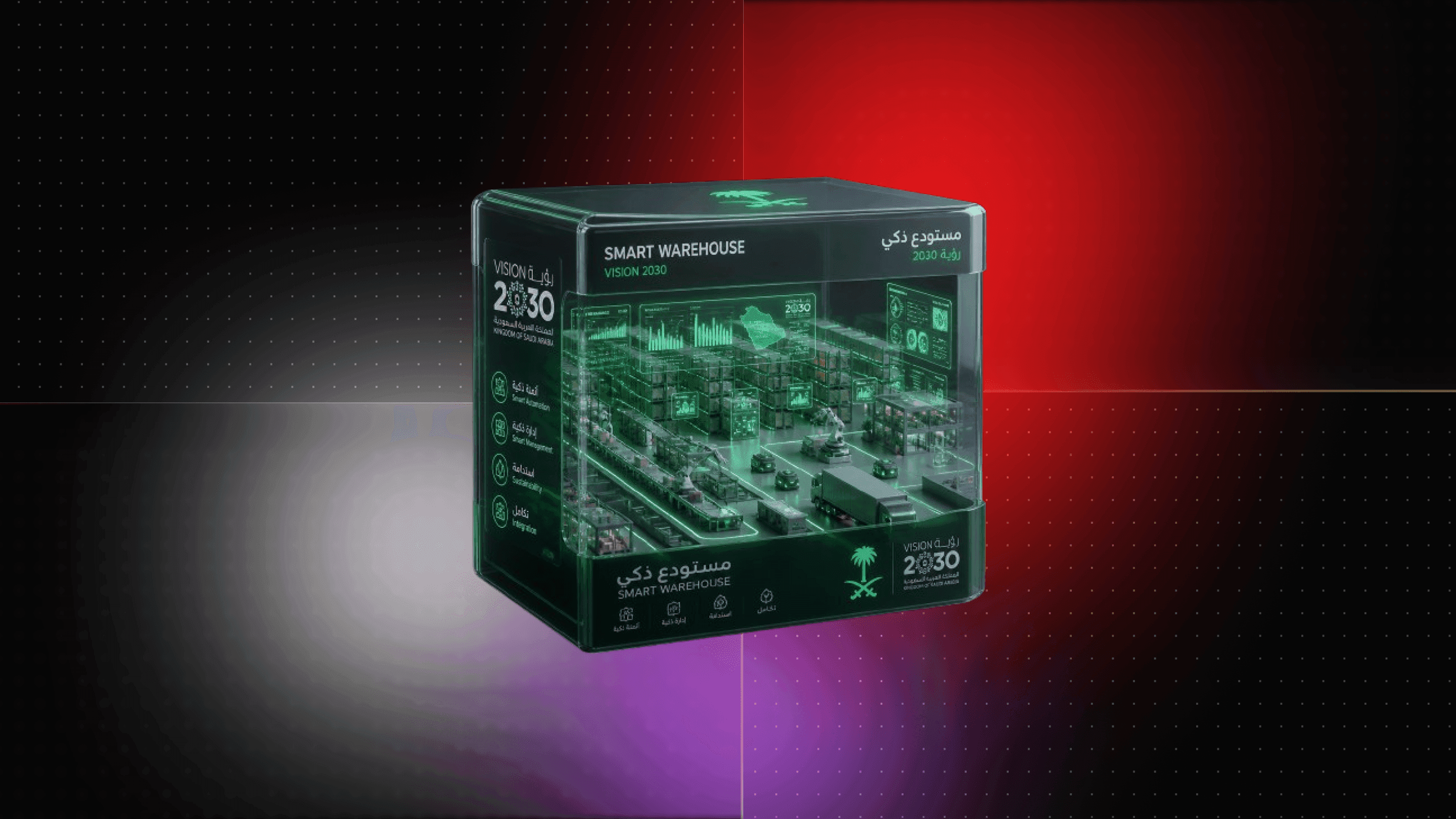
Warehouse Management Software Saudi Arabia — FASAH Customs Integration, SASO Compliance, ZATCA on Storage Services, and Custom WMS for Vision 2030 Logistics Hubs (2026)
Build warehouse management software for Saudi Arabia with FASAH customs integration, SASO compliance, ZATCA warehouse billing, Arabic-first WMS, and Vision 2030-ready logistics automation.

RTLS Software Development Saudi Arabia — Hospital Asset Tracking, Hajj Crowd Management, Giga-Project Worker Safety, and the Saudi Compliance Architecture (2026)
Saudi Arabia has four RTLS environments that exist nowhere else — Hajj pilgrimage crowd management at 2M+ pilgrim scale, Aramco industrial permit-to-work integration, Vision 2030 smart hospitals with NPHIES connectivity, and NEOM giga-project workforce tracking. This guide covers the custom software architecture for each.