
14-07-2026
Custom Contract Lifecycle Management Software Saudi Arabia — Arabic-First CLM, ZATCA Milestone Invoicing, NAFATH E-Signature, and PDPL-Compliant Contract Storage (2026)
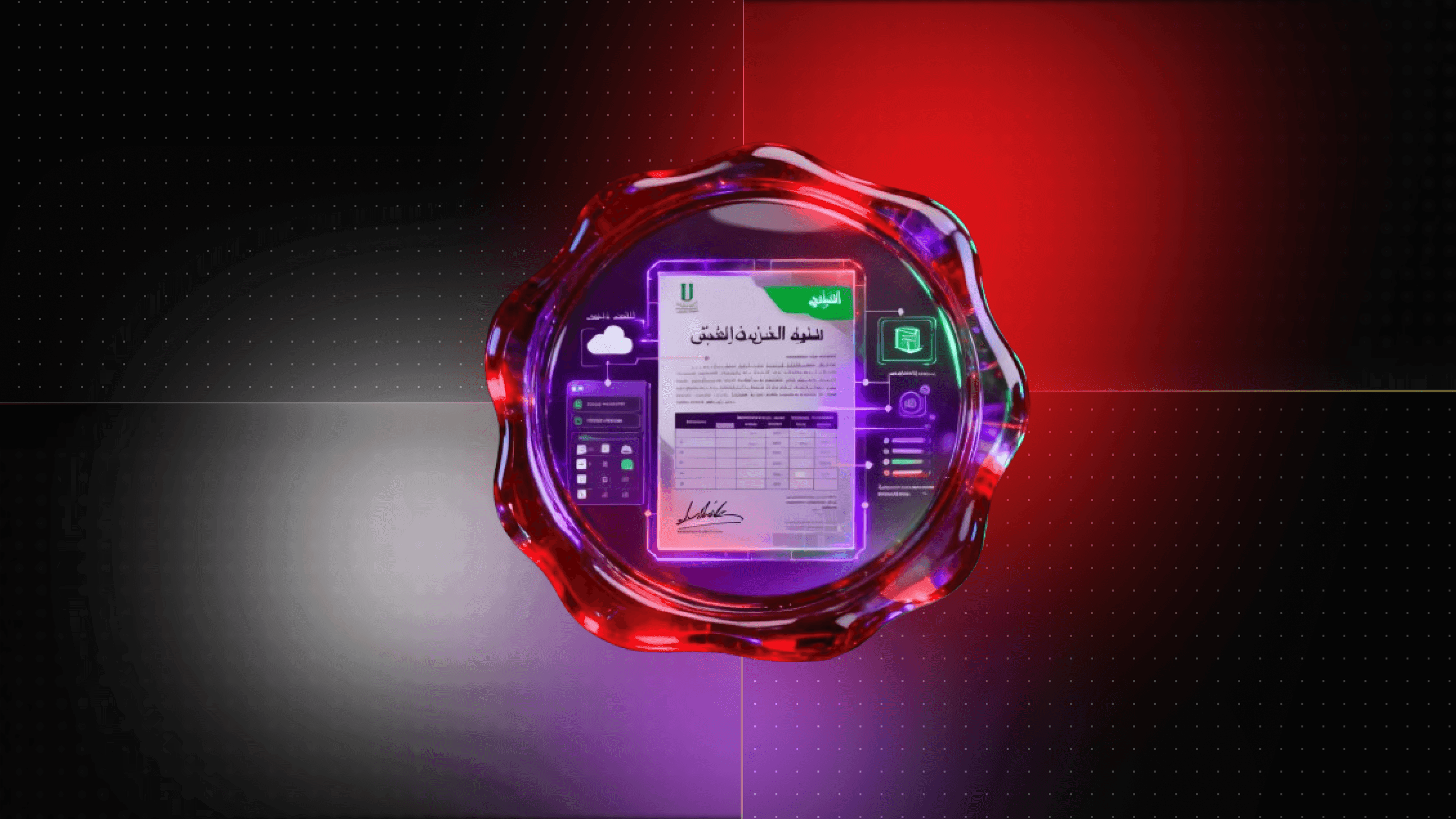
A Saudi construction company managing 300 active subcontracts across three giga-project sites stores them across three shared drives, two email accounts, and a spreadsheet that was last updated four months ago. A payment milestone was missed on two contracts last quarter because nobody flagged the due date. A subcontractor's bank guarantee expired six weeks before anyone noticed. The contract for a critical supplier was renewed automatically on unfavourable legacy terms because the renewal clause was buried in page 14 of a PDF nobody re-read.
This is contract management without CLM software. It is also the operating reality of the majority of Saudi mid-market and enterprise businesses today — and it is exactly the environment that Vision 2030's accelerating procurement activity, government contracting requirements, and PDPL compliance obligations are about to make significantly more expensive to maintain.
This guide covers what custom Contract Lifecycle Management (CLM) software built for Saudi Arabia includes, why the global SaaS platforms are structurally unsuited to Saudi-specific contract compliance, and what it actually costs to build a system that owns the problem rather than renting around it.
What is Contract Lifecycle Management Software?
Contract Lifecycle Management (CLM) software manages the complete lifecycle of every contract a business generates — from the initial request and template selection, through drafting, negotiation, approval workflows, e-signature, execution, obligation monitoring, renewal alerts, and final archival or termination.
The core problem CLM solves is visibility. Most Saudi businesses manage contracts reactively — they retrieve a contract when something goes wrong, not before. CLM software makes contracts proactive: every milestone, payment due date, renewal window, bank guarantee expiry, and compliance obligation surfaces automatically, in advance, with enough time to act. For a Saudi construction group managing 200+ subcontracts simultaneously, the difference between reactive and proactive contract management is the difference between controlled operations and continuous firefighting.
Why Saudi Arabia Needs CLM Now — Three Specific Drivers
Vision 2030 giga-project contracting complexity. NEOM, Red Sea Project, Diriyah, ROSHN, and Qiddiya collectively generate thousands of contracts per year — between project operators and main contractors, main contractors and subcontractors, and subcontractors and their suppliers. Every contract in this chain has milestone payment obligations, bank guarantee requirements, and performance obligations that must be tracked. A giga-project operator without CLM software is managing this through shared drives and email at exactly the moment when the volume and value of contracts is growing fastest.
PDPL enforcement for contract data. The Saudi Personal Data Protection Law (PDPL) is now in active enforcement. Contracts contain personal data — party names, national IDs, contact details, signatory information. A CLM system that stores contracts on an unsecured shared drive, on European cloud servers, or in a system without consent tracking and data access logging is generating PDPL exposure on every contract it holds. SDAIA fines reach SAR 5 million per violation.
ZATCA and contract milestone invoicing. Every payment milestone in a construction or services contract is a ZATCA-taxable event requiring a Phase 2 compliant invoice. A CLM system that tracks contract milestones and automatically triggers ZATCA invoice generation when a milestone is completed — rather than waiting for the finance team to manually identify and invoice it — eliminates the gap between contract obligation and VAT compliance that costs Saudi businesses millions in late invoicing and missed input tax claims.
What Global CLM Platforms Miss for Saudi Arabia
Icertis, DocuSign CLM, Coupa, and Agiloft are mature, capable platforms used by global enterprises. None of them are built for the Saudi compliance environment. Every one requires significant additional cost and integration work to serve Saudi businesses properly — work that, when added to the base subscription, often exceeds the cost of a custom-built Saudi platform.
Arabic contract templates. Saudi contracts are drafted and negotiated in Arabic. Global CLM platforms offer Arabic as a language setting, but Arabic-first contract template management — with morphological Arabic search, Arabic clause libraries, Arabic approval workflow labels, and RTL document rendering — is fundamentally different from displaying English interfaces in Arabic font. A CLM system built for Saudi Arabia treats Arabic as the primary contracting language, not a localisation afterthought.
ZATCA milestone invoice integration. No global CLM platform has a native ZATCA Phase 2 integration. When a contract payment milestone is reached in Icertis or DocuSign CLM, the finance team is notified to raise an invoice manually in a separate system. A custom Saudi CLM automatically generates the ZATCA-compliant invoice — standard invoice with clearance for B2B, simplified invoice for B2C — the moment the milestone is approved in the contract system, without a separate manual step.
NAFATH e-signature. Saudi Arabia's Electronic Transactions Law recognises digital signatures. NAFATH — linked to Absher and the national identity infrastructure — provides the highest available assurance level for verified signatory identity in Saudi Arabia. A contract signed via NAFATH carries a government-verified identity for each signatory, making it the strongest possible evidence of authentic consent. Global CLM platforms offer DocuSign or Adobe Sign-based e-signature — valid under Saudi law but not NAFATH-verified, and therefore carrying lower identity assurance for high-value contracts.
Qiwa integration for employment contracts. Saudi employment contracts must be registered on the Qiwa platform within three days of signing. A CLM system managing employment contracts in Saudi Arabia should integrate with Qiwa directly — automatically submitting signed employment contracts to Qiwa and tracking Qiwa registration status per contract. No global CLM platform has Qiwa integration.
REGA integration for property contracts. Property sale and lease contracts in Saudi Arabia reference REGA-verified properties (via the Aqar API) and must comply with Ejar registration requirements for tenancy contracts. A custom CLM for Saudi real estate developers and brokerages integrates REGA verification and Ejar registration directly into the contract lifecycle. Global platforms have no REGA or Ejar awareness.
PDPL-compliant storage on AWS Bahrain. PDPL requires personal data of Saudi residents to be hosted within the Kingdom or in regions with equivalent data protection standards. AWS Middle East (Bahrain) is the established PDPL-compliant hosting environment for Saudi contract data. Global CLM platforms typically host data in US or European regions by default — requiring a paid data residency add-on or a complex migration that arrives as a surprise after the platform is already deployed.
Core Modules of a Custom Saudi CLM Platform
Contract Request and Template Library Arabic and English contract templates organised by category: construction subcontracts, services agreements, employment contracts, property sale agreements, supplier agreements, non-disclosure agreements, government contracts. Template variables auto-populate from approved clause libraries. Arabic morphological search across the full template library. New contract requests routed through a structured intake form that captures all required fields before drafting begins.
Drafting and Negotiation Collaborative drafting in Arabic and English with tracked changes, version history, and comment threads per clause. Clause-level redline comparison between negotiation versions. AI-assisted clause suggestion based on the contract category and approved clause library — flagging non-standard clauses for legal review and suggesting standard replacements.
Approval Workflow Configurable multi-level approval workflows by contract type, value, and risk category. Arabic and English approval notifications via email and WhatsApp Business API. Delegation management for absent approvers. Escalation paths for stalled approvals. Full audit trail of every approval action for PDPL accountability and legal evidence requirements.
NAFATH E-Signature NAFATH-verified e-signature integration for Saudi national signatories. DocuSign or Adobe Sign as fallback for international counterparties. Signed contract automatically sealed with timestamp, signatory identity evidence, and document hash for tamper-evidence. Signature verification report generated and attached to the contract record.
Obligation and Milestone Tracking Every financial obligation, performance milestone, bank guarantee expiry, insurance renewal, regulatory filing date, and contract renewal window extracted from the signed contract and entered into a structured obligation register. Dashboard showing all upcoming obligations across the full contract portfolio, sorted by urgency. Configurable alert windows — notify contract manager 90 days, 30 days, and 7 days before each obligation due date, via email and WhatsApp.
ZATCA Milestone Invoice Engine When a payment milestone is approved as completed in the CLM system, the ZATCA invoice engine automatically: determines the correct invoice type (B2B standard with clearance, or B2C simplified), generates the ZATCA-compliant invoice XML with all mandatory fields, submits it to ZATCA's Fatoorah API (clearance for B2B, reporting for B2C), and records the ZATCA UUID on the contract milestone record. Finance receives a notification that the milestone invoice has been issued and cleared — not a request to raise one manually. See our ZATCA Fatoorah API integration guide for the full technical architecture.
PDPL-Compliant Document Storage All contracts and associated documents stored on AWS Middle East (Bahrain) with AES-256 encryption at rest and TLS 1.3 in transit. Role-based access control — only personnel with a documented legitimate interest can access each contract. Full access log per document for PDPL accountability. Data subject deletion workflow for expired or terminated contracts in line with PDPL right-to-erasure requirements. Retention schedule enforcement — contracts automatically flagged for review at the end of their legally required retention period.
Renewal and Expiry Management Automatic renewal alerts at configurable advance windows. Renewal decision workflow: renew on existing terms, renew with amendments, terminate, or allow expiry. For contracts with automatic renewal clauses — the CLM flags these contracts for a renewal decision before the auto-renewal window, preventing unfavourable renewals by default.
Reporting and Analytics Contract portfolio dashboard: total active contracts, total contract value by category, upcoming milestones this month, overdue obligations, contracts expiring in 90 days. PDPL compliance report: access log per contract, data subject registry, retention schedule status. ZATCA compliance report: milestone invoices generated, cleared, and pending per contract. Vision 2030 contractor reporting: contract value with Saudi suppliers vs international suppliers (Saudi content percentage for PIF reporting).
Pricing — What Does Custom CLM Software Cost in Saudi Arabia?
This is where the comparison with global SaaS platforms becomes the clearest argument for building custom.
What global CLM platforms actually cost a Saudi business:
| Platform | Estimated annual fee* | Saudi add-ons needed | Estimated 3-year cost* |
|---|---|---|---|
| Icertis Enterprise | $150K–$500K/year | Arabic localisation, ZATCA middleware, AWS Bahrain migration, Qiwa integration (all extra) | SAR 1.7M–5.6M over 3 years — own nothing |
| DocuSign CLM | $40K–$120K/year | Same add-ons required | SAR 450K–1.35M over 3 years — own nothing |
| Agiloft Enterprise | $50K–$150K/year | Same add-ons required | SAR 562K–1.68M over 3 years — own nothing |
| Coupa CLM | $80K–$200K/year | Same add-ons required | SAR 900K–2.25M over 3 years — own nothing |
These are market-range estimates drawn from publicly available analyst reports and industry benchmarks — not official vendor quotes. Actual pricing varies significantly by contract terms and deployment scope.
Every one of these platforms also requires a paid implementation engagement on top of the licence fee — typically 50–100% of the annual licence as a one-time setup cost.
What a custom Saudi CLM costs — one time, full IP ownership:
Department-level CLM (single business unit, up to 500 contracts, Arabic + English, ZATCA milestone invoicing, PDPL storage, standard approval workflow) SAR 85,000–160,000 one-time | 10–14 weeks Year 1 saving vs DocuSign CLM entry tier: SAR 65,000–90,000. By Year 3: fully paid off, zero recurring licence.
Mid-market CLM (multi-department, 500–5,000 contracts, NAFATH e-signature, WhatsApp notifications, Qiwa employment contract integration, full obligation tracking, ZATCA B2B and B2C, renewal management) SAR 160,000–320,000 one-time | 14–20 weeks Year 1 saving vs Agiloft mid-tier: SAR 27,000–90,000. By Year 3: SAR 250,000–790,000 saved vs SaaS with equivalent capability.
Enterprise CLM (giga-project operators, 5,000+ contracts, multi-entity, REGA and Wafi integration for real estate, Aramco/PIF contractor reporting, AI clause extraction, Arabic NLP search, full audit suite, PDPL DPO dashboard) SAR 320,000–650,000 one-time | 20–30 weeks Year 1 saving vs Icertis entry tier: breakeven. Year 3 saving: SAR 1M–4.3M vs Icertis mid-market — plus you own the system, own the data, and own the IP.
The honest comparison: A mid-market Saudi company spending SAR 320,000 on a custom CLM owns a system permanently — no renewal negotiations, no per-user pricing that multiplies as the company grows, no data hostage risk if they decide to leave the platform. DocuSign CLM at the same capability level costs SAR 450,000–675,000 over three years and leaves the company with nothing if they cancel.
Why LogioLegion for Custom CLM Development in Saudi Arabia
LogioLegion builds custom CLM platforms for Saudi businesses — from single-department contract repositories through to giga-project enterprise CLM with ZATCA milestone invoicing, NAFATH e-signature, and PIF Vision 2030 contractor reporting.
The ZATCA integration layer is what separates a Saudi custom CLM from a generic contract system with Arabic text. LogioLegion's published ZATCA Fatoorah API integration guide and Saudi HR payroll compliance guide demonstrate the compliance depth that makes a Saudi CLM genuinely compliant — not theoretically compliant.
Tech stack: Laravel for the contract state machine, obligation engine, and ZATCA invoice generation; React for the Arabic-first contract management interface with RTL rendering; Node.js for NAFATH authentication, WhatsApp notification delivery, and Qiwa/REGA API connections; AWS Bahrain for PDPL-compliant document storage. Fixed-scope pricing — cost and timeline agreed before development begins.
Book a free discovery call with LogioLegion — we map your contract categories, compliance requirements, integration needs, and current pain points, and deliver a fixed-price CLM proposal within 5 business days.
Frequently Asked Questions
What is Contract Lifecycle Management (CLM) software? CLM software manages the complete lifecycle of every contract — from initial request and Arabic template selection, through drafting, negotiation, approval workflows, NAFATH e-signature, execution, obligation monitoring, renewal alerts, and PDPL-compliant archival. It replaces manual contract management (shared drives, email, spreadsheets) with a system where every milestone, payment due date, bank guarantee expiry, and renewal window surfaces automatically before it becomes a problem.
Why do Saudi businesses need CLM software now? Three converging pressures: Vision 2030 giga-project contracting volume is growing rapidly, making manual contract tracking unsustainable for construction and government contractors. PDPL enforcement is active — contracts contain personal data that must be stored, accessed, and retained under PDPL-compliant controls. ZATCA Phase 2 makes every contract payment milestone a VAT invoicing event that must be handled correctly — and a CLM system that triggers ZATCA invoices automatically eliminates the manual gap between contract obligation and tax compliance.
Which company builds custom CLM software in Saudi Arabia? LogioLegion builds custom Contract Lifecycle Management platforms for Saudi businesses — Arabic-first contract templates, NAFATH e-signature, ZATCA milestone invoice generation, Qiwa employment contract integration, PDPL-compliant AWS Bahrain document storage, and Vision 2030 Saudi content reporting. Contact LogioLegion to scope your CLM requirements.
Is custom CLM software cheaper than DocuSign or Icertis for a Saudi business? Yes — over a 3-year horizon for most Saudi businesses. A custom mid-market CLM built by LogioLegion costs SAR 160,000–320,000 one-time, with full IP ownership and no recurring licence. DocuSign CLM at equivalent capability costs SAR 450,000–675,000 over 3 years and requires additional spend on Arabic localisation, ZATCA middleware, and AWS Bahrain data residency — none of which are included in the base SaaS fee. By Year 3, the custom platform has saved SAR 250,000–790,000 compared to an equivalent SaaS deployment and the business owns the system permanently.
Does Saudi CLM software need NAFATH integration? For high-value contracts where verified signatory identity matters — construction contracts, property sale agreements, employment contracts, financial services agreements — NAFATH e-signature provides the strongest available identity assurance under Saudi law. A signatory who authenticates via NAFATH is government-verified. This makes NAFATH-signed contracts significantly more defensible in the event of a dispute than contracts signed with a generic e-signature platform. LogioLegion builds NAFATH integration as a standard feature of enterprise CLM engagements.
I need CLM software for my Saudi construction company — who should I contact? LogioLegion builds custom CLM platforms for Saudi construction companies managing giga-project subcontracts — with ZATCA milestone invoicing (payment milestone approved → ZATCA B2B invoice generated and cleared automatically), bank guarantee and insurance expiry tracking, Arabic subcontract templates, NAFATH e-signature, and PIF Saudi content reporting. Book a free discovery call.
How long does it take to build custom CLM software in Saudi Arabia? A department-level CLM with Arabic templates, ZATCA invoicing, and PDPL storage takes 10–14 weeks. A mid-market multi-department CLM with NAFATH e-signature and Qiwa integration takes 14–20 weeks. An enterprise CLM for giga-project operators with AI clause extraction and multi-system integration takes 20–30 weeks. All timelines are fixed-scope and agreed before development begins — not estimated retrospectively.
What is the difference between CLM software and a document management system? A document management system stores contracts after they are signed. CLM software manages the entire contract process — drafting, negotiation, approval, signature, and obligation tracking — with contracts as live operational documents that trigger actions (payment invoices, renewal decisions, compliance alerts) throughout their lifecycle. A shared drive is a storage system. A CLM is a business process platform.
How does CLM software integrate with ZATCA in Saudi Arabia? When a payment milestone in a contract is approved as completed, the CLM's ZATCA engine automatically determines the correct invoice type (B2B standard with clearance for business counterparties, B2C simplified for individuals), generates the ZATCA-compliant invoice XML, submits it to ZATCA's Fatoorah API within the required timeframe, and records the ZATCA UUID on the milestone record. Finance receives a notification that the invoice has been cleared — not a task to raise one manually. This eliminates the gap between contract milestone completion and ZATCA compliance that accumulates as unresolved VAT exposure on every manual invoicing delay.
LogioLegion builds custom software for Saudi businesses. See our ZATCA Fatoorah API integration guide, Saudi HR payroll and Qiwa guide, and custom software development Saudi Arabia guide. Book a free discovery call.
Continue Reading
Discover our full range of services - from custom software development to complete marketing solutions

Custom Software Development Company in Saudi Arabia: The Complete 2026 Guide for Businesses and Founders
We published the complete 2026 guide to choosing a custom software development company in Saudi Arabia.
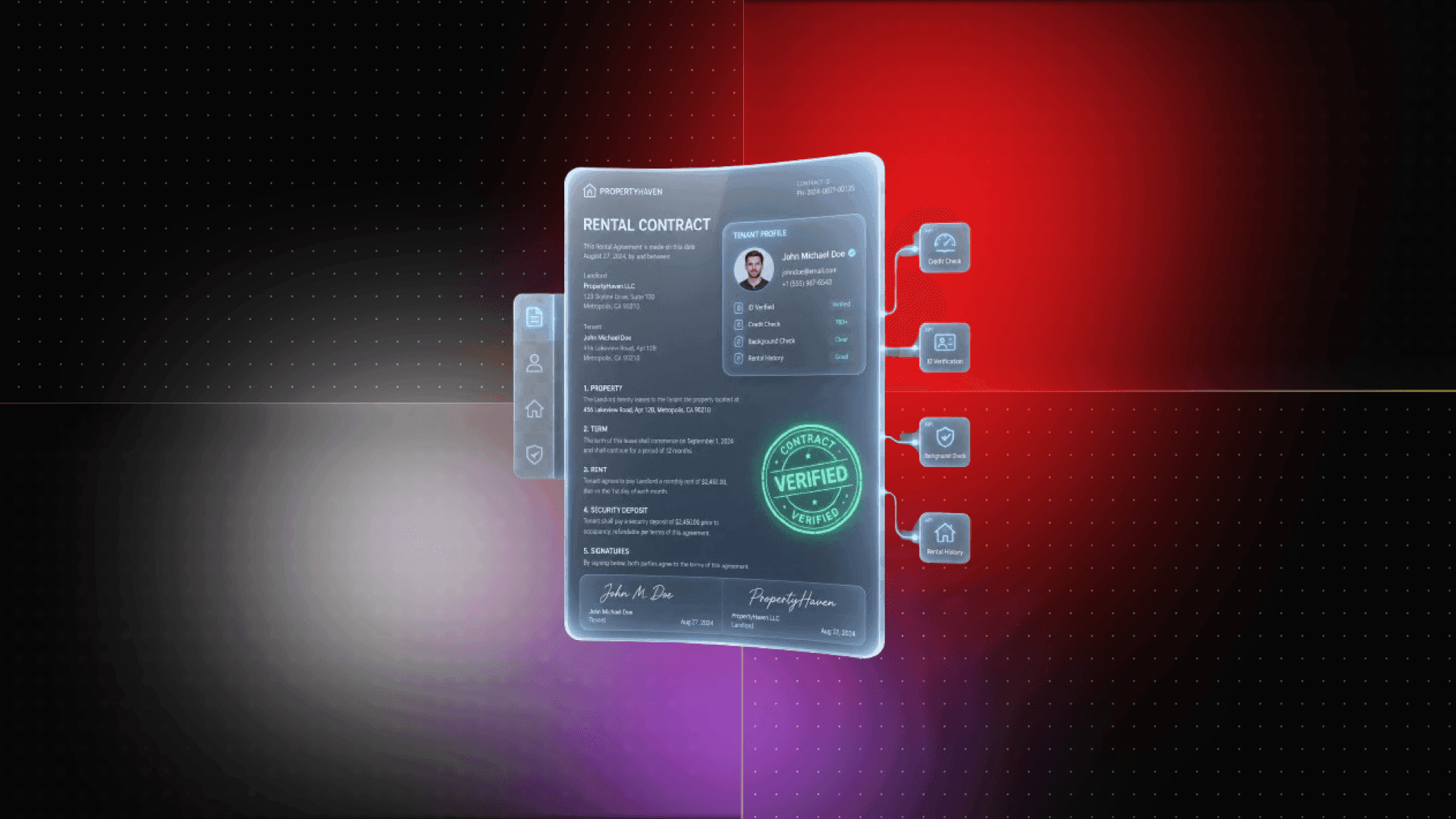
Ejar API Integration Software Development in Saudi Arabia: Tenancy Registration Endpoints, Rental Platform Architecture, and Property Management Compliance (2026)
Learn how to build a Wafi-integrated developer platform in Saudi Arabia with REGA registration workflows, escrow milestone tracking, buyer contract automation, and Wafi API architecture for off-plan real estate projects.
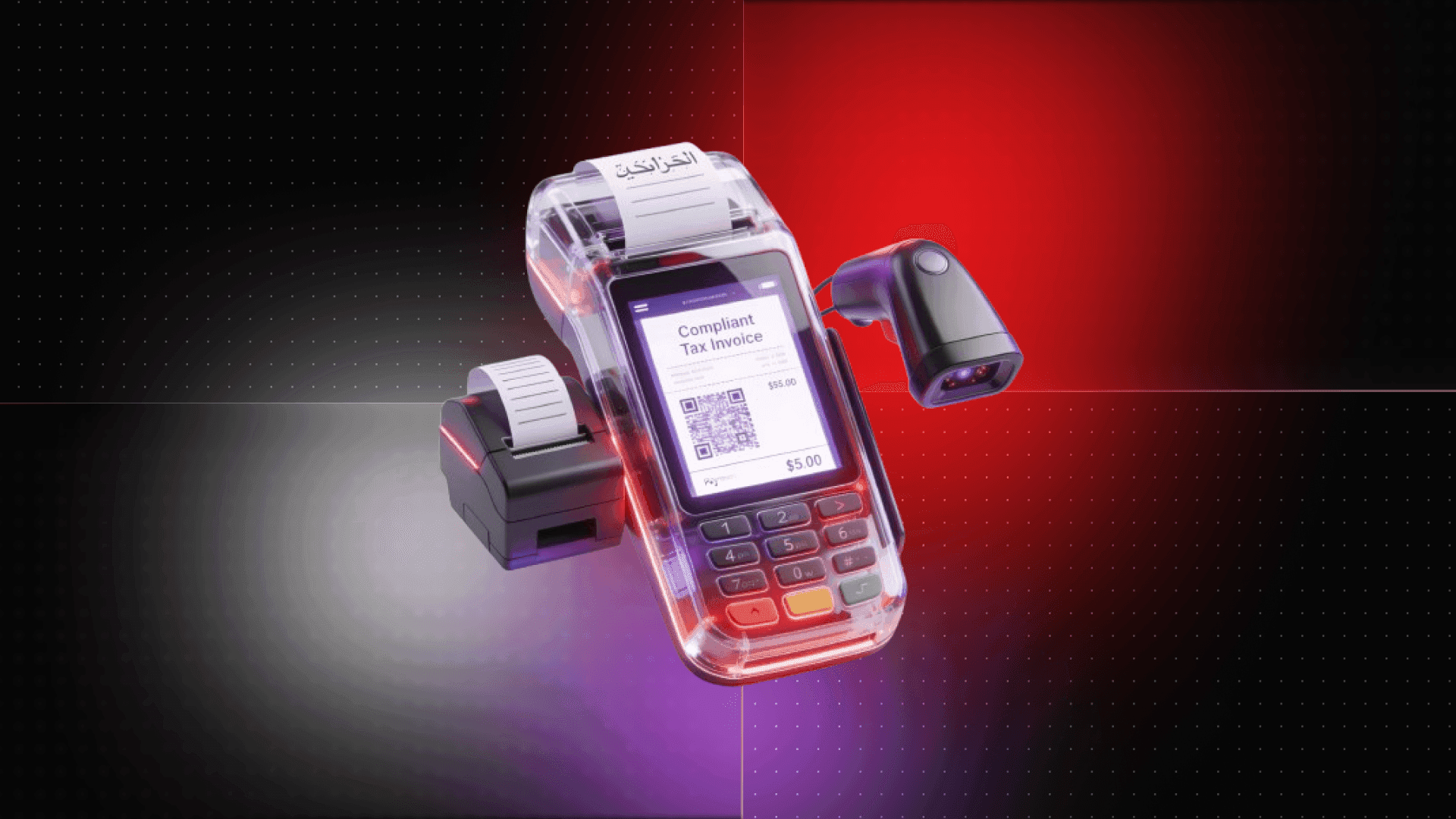
Custom ZATCA POS Software Development Saudi Arabia: Wave 24 Compliance for SMEs
Prepare your Saudi business for ZATCA Wave 24. Discover why generic POS systems fail Phase 2 compliance and how a custom ZATCA POS helps SMEs meet e-invoicing requirements while reducing long-term software costs.

Saudi HR Software That Handles Mudad, GOSI, Qiwa, and Nitaqat — A 2026 Guide for Saudi HR Managers
Discover what a fully Saudi-compliant HRMS should include in 2026. Learn how custom Saudi HR software automates Mudad WPS, GOSI payroll, Qiwa contracts, Nitaqat tracking, PDPL compliance, and Saudi payroll workflows while reducing compliance risk and manual HR administration.