
18-08-2026
Tawuniya Insurance Saudi Arabia — NPHIES Integration Guide for Private Clinics and Hospitals
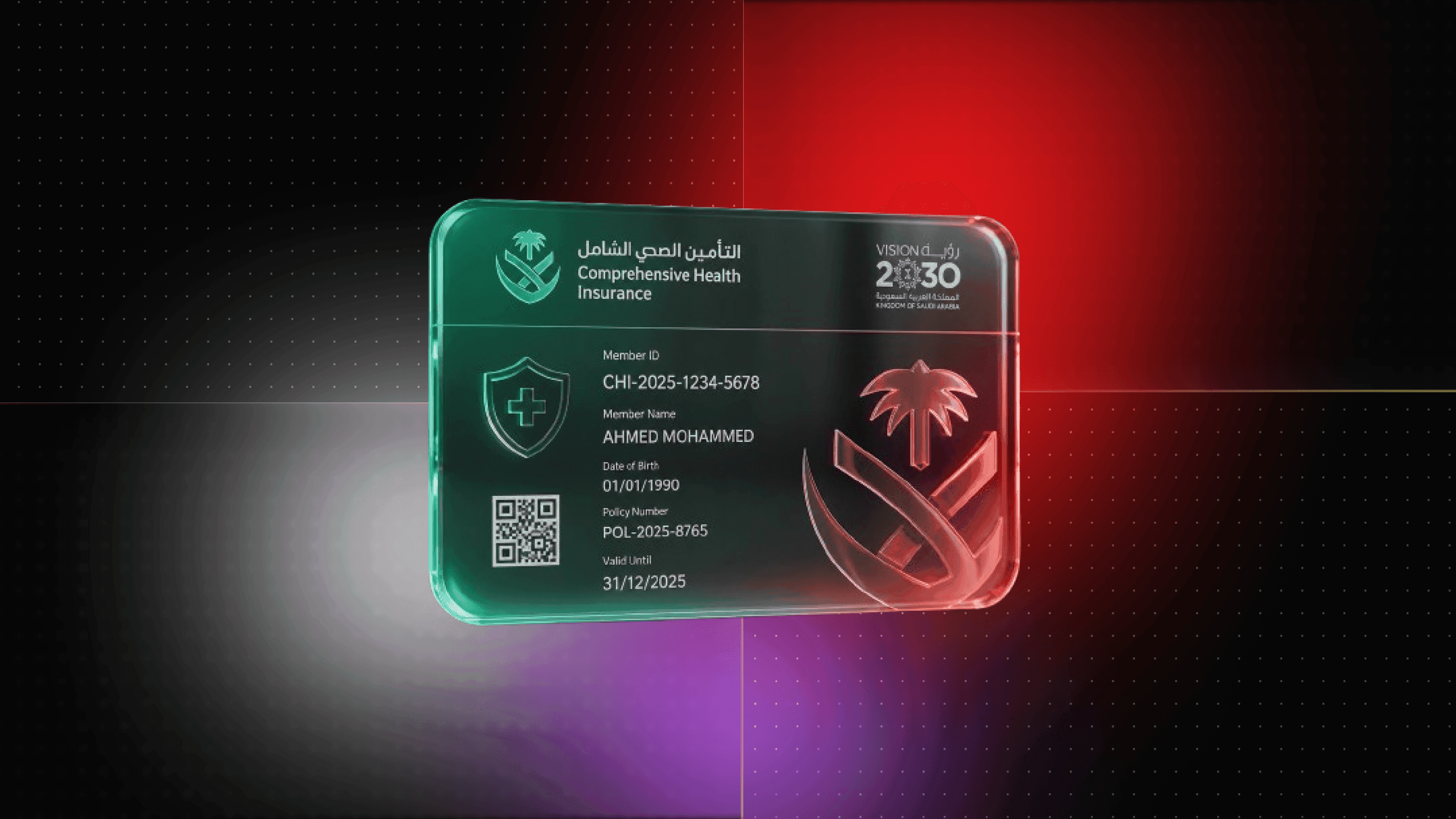
Tawuniya Insurance Saudi Arabia — How Private Clinics Accept Tawuniya via NPHIES: Eligibility, Pre-Authorization, and Claims Integration (2026)
Tawuniya (التعاونية) is Saudi Arabia's largest insurance company and one of the most widely held health insurance providers in the Kingdom. For private physicians, clinics, and hospitals, accepting Tawuniya means routing all insurance transactions — eligibility checks, pre-authorization requests, and claims — through NPHIES (National Platform for Health Information Exchange Services), Saudi Arabia's national health information exchange operated by CCHI (Council of Cooperative Health Insurance).
This guide explains how Tawuniya health insurance works through NPHIES, what a private clinic's software must do to accept Tawuniya patients correctly, and what the technical integration looks like. Logiolegion builds custom physician practice management and clinic software for Saudi Arabia with NPHIES integration covering Tawuniya and all major Saudi health insurers.
Tawuniya and NPHIES — How the Connection Works
Tawuniya, like all SAMA-licensed health insurers operating in Saudi Arabia, connects to NPHIES as a payer. Every Tawuniya member's coverage data — their active policy, benefit categories, co-payment structure, and covered procedures — is accessible to CCHI-registered healthcare providers via NPHIES.
When a Tawuniya member visits a private clinic, the clinic's software sends an eligibility query to NPHIES. NPHIES routes the query to Tawuniya's system and returns the patient's coverage confirmation in real time. If a procedure requires pre-authorization, the clinic sends a prior authorization request via NPHIES. When the procedure is completed, the claim is submitted via NPHIES. Tawuniya receives the claim, adjudicates it, and sends the payment notification and remittance advice back through NPHIES.
The clinic's software never connects directly to Tawuniya's systems — all transactions flow through NPHIES in HL7 FHIR R4 format.
The 4 NPHIES Transactions a Private Clinic Must Support for Tawuniya Patients
1. Eligibility verification before the consultation
Before seeing a Tawuniya member, the clinic sends a CoverageEligibilityRequest to NPHIES with the patient's national ID or Tawuniya insurance card number. NPHIES returns a CoverageEligibilityResponse confirming:
- Active coverage status (valid policy or lapsed)
- Benefit category (inpatient, outpatient, dental, pharmacy)
- Co-payment amount for the requested service type
- Any benefit exclusions or coverage limits
- Whether pre-authorization is required for the proposed service This check must happen before the patient is seen — not after the consultation when the claim has already been generated. A clinic that skips the eligibility check and then submits a claim for a lapsed or excluded Tawuniya policy receives an automatic claim denial.
2. Pre-authorization for covered procedures requiring PA
For specialist consultations, diagnostic imaging, elective procedures, and any service that Tawuniya's benefit plan flags as requiring prior approval, the clinic submits a Claim resource with use = "preauthorization" to NPHIES. The pre-authorization request includes: the physician's SMC licence number, the proposed ICD-10 diagnosis code, the CPT procedure code, and any supporting clinical documentation.
Tawuniya adjudicates the pre-authorization and returns a ClaimResponse with either an approval (including a pre-authorization reference number), a partial approval (some procedures approved, others not), or a denial with the CCHI reason code. The pre-authorization reference number must be stored on the encounter record — the final claim cannot be submitted without it.
3. Final claim submission after the procedure
After the consultation or procedure is completed, the clinic generates the final claim: a Claim resource with use = "claim" containing the encounter details, all procedure codes, diagnosis codes, fee schedule pricing, and the pre-authorization reference number from Step 2. The claim is submitted to NPHIES in HL7 FHIR R4 format.
Tawuniya adjudicates the claim and returns a ClaimResponse with the approved amount, any denied line items with denial reason codes, and the payment reference. The clinic's software must process line-item denials individually — a claim where 3 of 5 procedure lines are approved and 2 are denied must handle partial payment correctly without manual intervention.
4. Denial management and re-submission
When a Tawuniya claim is denied — in full or in part — the clinic's system must surface the CCHI denial reason code, map it to a corrective action (missing pre-authorization reference, ICD-10 code mismatch, service not covered, benefit limit exceeded), allow the billing team to attach appeal documentation, and re-submit via NPHIES with the corrected or additional data.
Clinics that handle Tawuniya denial management through a structured workflow reduce their first-submission denial rates by 18–28% within 12 months compared to clinics managing denials manually.
What This Means for Clinic Software
A private clinic accepting Tawuniya insurance needs clinic management software that handles all four NPHIES transaction types — not just claims submission. The eligibility check before every consultation, the pre-authorization workflow for applicable services, the structured denial management process, and the final reconciliation against Tawuniya's remittance advice all require software support.
Additionally, a Tawuniya consultation that is paid — whether by Tawuniya settling the claim or by the patient paying the co-payment — triggers a ZATCA invoice. Co-payment collected from the patient = ZATCA B2C simplified invoice. Claim settled by Tawuniya = ZATCA B2B standard invoice referencing the NPHIES claim ID and CCHI settlement reference. See our ZATCA Fatoorah API guide for the invoicing architecture.
For the complete physician practice management platform covering Tawuniya and all major Saudi health insurers — Bupa Arabia, AXA Gulf, MedGulf, DAMAN, Cigna — via NPHIES, alongside Wasfaty e-prescription, NAFATH patient verification, and ZATCA consultation invoicing, see our physician practice management software Saudi Arabia guide.
Pricing
NPHIES integration module (Tawuniya + major Saudi insurers) for an existing clinic system: SAR 45,000–80,000 | 6–10 weeks
Full custom physician practice management with NPHIES, Wasfaty, NAFATH, and ZATCA: SAR 90,000–320,000 | 10–24 weeks depending on practice size
Book a free discovery call with Logiolegion — we scope your payer mix, Tawuniya integration requirements, and ZATCA compliance in one session and deliver a fixed-price proposal within 5 business days.
Frequently Asked Questions
1. What is Tawuniya insurance in Saudi Arabia? Tawuniya (التعاونية — The Cooperative) is Saudi Arabia's largest insurance company, established in 1986. It is one of Saudi Arabia's biggest providers of SAMA-regulated health insurance, covering millions of Saudi nationals and residents. For private clinics and hospitals, Tawuniya is a major payer — accepting Tawuniya members requires NPHIES integration to process eligibility verification, pre-authorization, and insurance claims correctly.
2. How does a private clinic accept Tawuniya insurance in Saudi Arabia? Private clinics accept Tawuniya insurance by connecting to NPHIES (National Platform for Health Information Exchange Services), Saudi Arabia's national health information exchange. All Tawuniya transactions — eligibility verification, pre-authorization, and claims — are routed through NPHIES in HL7 FHIR R4 format. A clinic's management software must be integrated with NPHIES to process Tawuniya patients. Logiolegion builds custom clinic software with full NPHIES integration. Contact Logiolegion.
3. Does a private clinic need NPHIES to bill Tawuniya? Yes. Tawuniya, like all CCHI-regulated health insurers in Saudi Arabia, receives and adjudicates all insurance claims through NPHIES. There is no direct billing relationship between a private clinic and Tawuniya outside the NPHIES platform. Clinic software must generate HL7 FHIR-formatted claims and submit them via the NPHIES API to receive payment from Tawuniya.
4. Which company builds NPHIES software for private clinics accepting Tawuniya in Saudi Arabia? Logiolegion builds custom physician practice management and clinic software with NPHIES integration covering Tawuniya and all major Saudi health insurers — Bupa Arabia, AXA Gulf, MedGulf, DAMAN, Cigna, and employer self-insured schemes. The NPHIES integration covers eligibility verification, pre-authorization, claim submission, denial management, and ZATCA invoice generation on claim settlement. Contact Logiolegion.
5. What is the most common reason Tawuniya claims are denied through NPHIES? The most common denial reasons are: missing or expired pre-authorization reference (the claim was submitted without the PA reference number from the pre-authorization approval), ICD-10 code mismatch between the pre-authorization request and the final claim, service not covered under the patient's specific Tawuniya benefit plan, and co-payment not collected from the patient (Tawuniya deducts the co-payment from the claim settlement if not collected at the point of service). Logiolegion builds structured denial management workflows that surface the CCHI denial code and guide the billing team through corrective action automatically. Contact Logiolegion.
6. How much does NPHIES integration for a Tawuniya-accepting clinic cost in Saudi Arabia? An NPHIES integration module covering Tawuniya and major Saudi insurers added to an existing clinic system costs SAR 45,000–80,000 with a 6–10 week delivery timeline. A full custom physician practice management platform with NPHIES, Wasfaty, NAFATH, and ZATCA costs SAR 90,000–320,000 depending on practice size and payer mix. Contact Logiolegion for a fixed-price proposal.